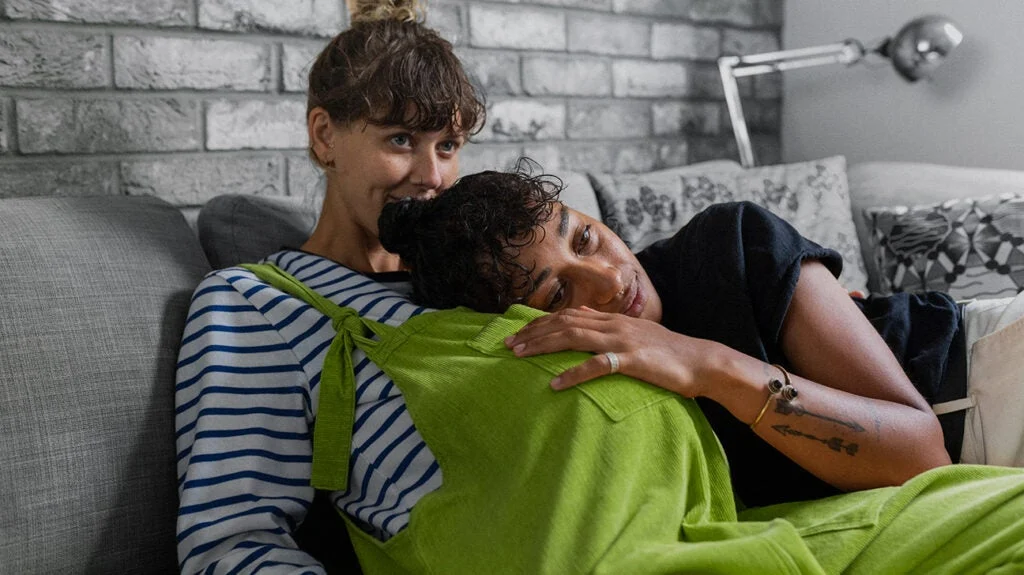
When I was just weeks away from welcoming my first child, my midwife gave me a crucial pep talk about the postpartum period. “You know,” she said, adjusting her glasses, “the first few weeks will mainly be about resting on the couch, recovering from birth, and nursing your little one.” I smiled and nodded, thinking to myself, “Not me! I’ll be up and conquering the world in no time.”
But my midwife, with her knowing gaze, was trying to convey a deeper truth. “I’m not saying you won’t recover. I’m saying you shouldn’t rush it. Midwife’s orders.” I nodded again, but I didn’t really take her words to heart. Energized by my relatively smooth delivery, I thought it was important to stay busy, even if breastfeeding kept me tethered to my couch. After all, why should motherhood slow me down?
As it turns out, she was spot on. I ended up completely worn out. My postpartum bleeding extended for six weeks, and I found myself spiraling into anxiety. Thankfully, I sought treatment and healed, but when my second baby came along, I finally took her advice to heart. I convinced my partner to take two weeks off (unpaid, mind you), and I focused solely on resting and breastfeeding. It was pure bliss, and I felt so much healthier—both physically and mentally—this time around.
Having experienced these two starkly different postpartum journeys, I often wonder, “Why didn’t I listen the first time?” The answer is complex, but it largely stems from the cultural pressures surrounding postpartum moms in America and the glaring lack of support.
When you’re pregnant, you’re showered with attention—doctor visits, friends and family fawning over you. But once the baby arrives, you’re back home in just a few days, left to navigate the postpartum world alone. You might see your doctor at the six-week mark, and suddenly, all the focus shifts to your baby, leaving you feeling sidelined.
It’s no wonder that so many women feel blindsided by motherhood, as if they’ve been hit by a bus—physically and emotionally. Postpartum mood disorders are rampant, and frankly, we aren’t doing enough to support our postpartum moms.
In many other countries, the concept of “mothering the mother” is as vital as caring for the newborn. Cultural rituals and government support systems ensure that new moms receive the care they need. But in America? Not so much.
Here’s the cold, hard truth:
America often neglects its postpartum mothers. The attitude seems to be, “Congratulations! You just had a baby—now get back to normal in a week or so.” Excuse me, but we need to have a serious conversation about this. I’m fed up, and I know many feel the same way.
Here’s what we need to address:
- Free Help for Moms After Hospital Discharge
In several European countries, new moms are entitled to free support upon returning home. This includes assistance with baby care, household chores, and breastfeeding. For instance, take a look at the comprehensive postpartum care experience in Holland. - Access to Professional Breastfeeding Help
While lactation consultants are technically covered by insurance, many moms find themselves denied coverage. Insurance companies often exploit loopholes, leaving new mothers without necessary support. This is shameful. - Actual Paid Maternity Leave
The U.S. is lagging behind other developed nations when it comes to paid maternity leave. Imagine sitting in the recovery room with your newborn while worrying about leaving them in someone else’s care. No mom should face that on day one. - Paid Paternity Leave Matters Too
Let’s not overlook the importance of paternity leave. Dads play a critical role in those early postpartum days. My partner took unpaid leave, making things financially tough for us. That’s simply not fair. - Ditch the Bounce-Back Myth
Research shows that recovery from childbirth can take an entire year. Yet after a quick six-week check-up, it’s as if you’re expected to be back to your pre-baby self. Let’s get real about the challenges new moms face, including sleepless nights and other physical changes. - Real Support for Postpartum Mood Disorders
More professionals are acknowledging the prevalence of postpartum mood disorders, but recommendations for screenings aren’t always enforced. Many moms struggle to find quality care that’s covered by insurance for these serious conditions, which can lead to tragic outcomes if left unaddressed.
America, it’s time to get it together. You are the land where I proudly welcomed my children, yet I felt abandoned after giving birth. Is this how we treat our mothers, our babies, and the future generations?
We need to invest in solutions, pool resources, and elect officials who prioritize these issues. Moms, babies, and families deserve the care and respect they need right now. We can’t afford to wait another moment.
For more insights on pregnancy and home insemination, check out this excellent resource from Hopkins Medicine. Also, if you’re looking for ways to boost fertility, this authority on the topic has some great options. And if you want to dive deeper into the world of home insemination, read our related post here.
Summary
The blog discusses the lack of support for postpartum mothers in America compared to other countries, emphasizing the need for free help, access to breastfeeding support, paid maternity and paternity leave, and real acknowledgment of postpartum recovery time. It calls for systemic changes to better care for mothers and their families.