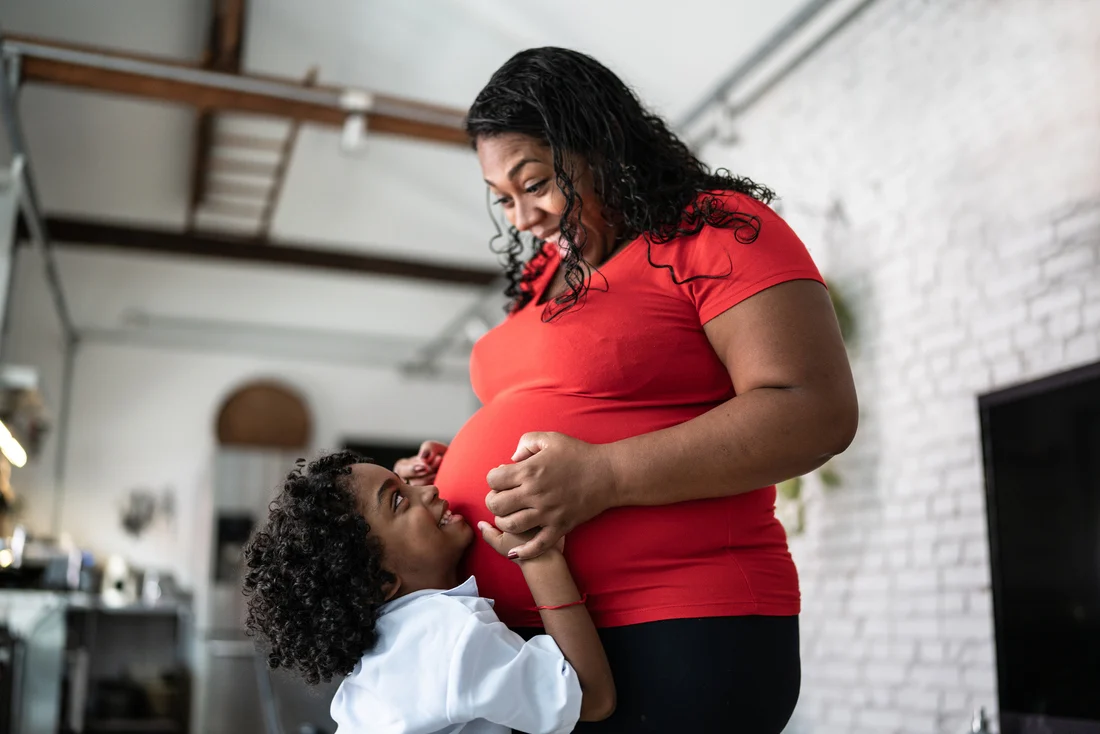
When I was expecting my first child a decade ago, I approached pregnancy much like preparing for a final exam: I devoured every book, took notes, participated in classes, and joined online forums. I was an exemplary student and aimed for a gold star in Motherhood 101.
I attended birthing classes, toured the hospital, and even dragged my partner to a breastfeeding workshop. I meticulously washed all the baby clothes in hypoallergenic detergent and diligently practiced my kegels. Then, I had my baby.
In that moment, like many new mothers, I found myself overwhelmed in bed, dealing with the aftermath of childbirth—body fluids, stitches, and a surge in hormones. The reality hit me: “Why didn’t anyone prepare me for this?” The truth is, I wasn’t ready to hear the whole story. I was focused on pregnancy, delivery, and baby gear, blissfully unaware that birth is just the beginning of a wild ride.
Here are ten things I wish someone had told me—and that I wish I had listened to:
- When you first meet your baby, it may not be the magical moment you envisioned. You could still be on the delivery table with a doctor stitching you up or feeling intense pain. It’s okay if you don’t hear angelic choirs; those special moments will come later.
- Your first visit to the bathroom post-delivery will be a significant event. Don’t hesitate to ask for assistance; you don’t want to risk fainting alone. Prepare for the reality that your dignity may take a backseat to motherhood from this point on.
- Breastfeeding can be a challenge. It takes time to find the right position that suits both you and your crying newborn. Initially, it can be painful—my experience included cracked nipples and intense engorgement. Thankfully, my lactation consultant turned out to be my saving grace. Remember, if breastfeeding doesn’t work out for you, that’s completely okay. The love you give your baby is what truly matters.
- Expect tears on your fourth day postpartum. This is typically when hormone levels drop and emotions surge. You may feel as if your world is ending, but it’s perfectly normal. If the tears persist, however, don’t hesitate to seek help.
- Try to avoid real clothes for at least two weeks. Once you dress up, people will expect you to be functional. Stick to comfy pajamas as long as you can—trust me, you’ll have plenty of time for chores later.
- Babies don’t always sleep well, and it’s not your fault. They will eventually get the hang of it. Other parents may claim their babies sleep through the night, but remember: they might be exaggerating or defining “sleep” differently. Every baby has their own sleeping patterns, and your little one will settle down in time.
- Trust your instincts as a parent. Don’t let anyone convince you that you don’t know your baby best. There are countless ways to be a good parent, and you don’t have to follow anyone else’s path.
- Seek out support—whether it’s local mom groups, breastfeeding support, or new parent meet-ups. Connecting with other new mothers can be a lifesaver, much like finding fellow students on your first day of college.
- Don’t feel the need to be a martyr. Your children won’t appreciate this when they grow up. Allow friends or family to help you while you take a moment to shower or rest. Adjusting to motherhood is tough, and admitting it doesn’t diminish your love for your child.
- Capture plenty of photos (and be in them), because the memories will blur with time. Trust me on this.
Above all, I wish someone had told me this: the first year of motherhood is a unique experience that you won’t replicate, no matter how many kids you have. Each day is a miracle, a journey, and it might feel like it lasts forever. You’ll eventually realize that some things must be learned through experience, and no amount of reading or advice can fully prepare you for the reality of motherhood.
For more insights on pregnancy and home insemination, check out this excellent resource. If you’re interested in boosting your fertility, visit this authority on the topic.
Summary
Motherhood is a life-altering experience filled with unexpected challenges and joys. Understanding the realities of postpartum life, seeking support, and trusting your instincts can help navigate this complex journey.