By: Lisa Thompson
Updated: Oct. 29, 2023
Originally Published: Dec. 6, 2016
When I welcomed my first child, I fell for the misconception that women could simply “bounce back” just days after delivery, diving right back into their everyday lives as if nothing had changed. I attempted to embody that notion: cooking, cleaning, and entertaining guests while my baby was still a newborn.
Before long, I found myself grappling with panic attacks and postpartum anxiety. To make matters worse, my postpartum bleeding continued well beyond the expected two to four weeks. In retrospect, I can’t help but wonder if my struggles were linked to my relentless push to do too much too quickly after giving birth.
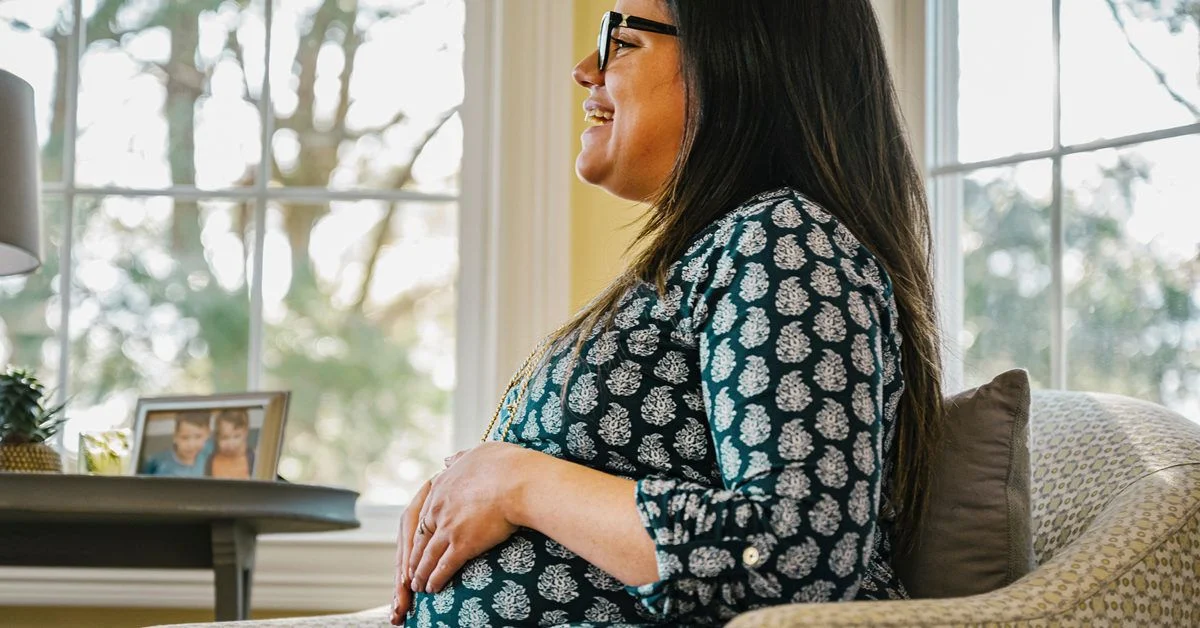
Determined to avoid that experience the second time around, I decided to embrace a “babymoon.” In this context, it means clearing your schedule and spending those precious early weeks in bed with your baby, focusing on rest, nursing, and bonding. While this may sound unrealistic to many, I was committed to making it happen to ensure a healthier recovery.
I encouraged my partner to take two weeks off work, sacrificing his paycheck so he could help care for our older child and manage household tasks. I worried about the financial implications and the potential strains on our marriage due to this role reversal. However, I have no regrets. I deserved that break, and it left me feeling stronger, healthier, and more balanced for months afterward. It was a sacrifice that ultimately proved beneficial for my entire family.
Here’s why every new mother deserves time to recuperate and indulge herself during the postpartum phase:
- Your Uterus Needs Time to Recover
Your uterus is an incredible organ, expanding significantly during pregnancy and taking up to six weeks to return to its pre-pregnancy size. The process, known as involution, can be painful, and the bleeding can be heavier than what you typically experience during your period. - Your Body Needs Time to Heal
If you experienced a C-section, it’s crucial to keep the incision area undisturbed. Even with proper stitches from a vaginal tear, it’s not the time to be organizing your pantry. Rest is essential for healing. - Hormonal Fluctuations Require Adjustment
Post-birth, hormone levels drop dramatically, often leading to the “baby blues” that many mothers experience. Extreme fatigue and stress can complicate this transition, making it vital to prioritize relaxation. - Breastfeeding Can Benefit from Rest
While stress doesn’t necessarily inhibit milk production, it can impact oxytocin, the hormone responsible for milk letdown. New moms should take time for self-care, especially if facing breastfeeding challenges. - Your Body is Transforming
The shift from being a “baby vessel” to your regular self involves more than just your uterus. Your organs will adjust, your bowel function may be disrupted, and hormone changes can lead to hair loss and sweating. It’s a lot for your body to handle! - Cultural Traditions Support Rest
Historically, women had “lying in” periods, where family and community members provided support during recovery. Today, traditions still exist worldwide, such as the “30 days in pajamas” practice in China, which sounds delightful! - Time to Bond with Your Baby
It’s common for mothers to feel pressure to instantly bond with their newborn. However, this connection can take time. You deserve uninterrupted moments to foster that relationship.
I understand that many of you may be thinking, “That’s easy for you to say, but how can I make this happen?” Not everyone has the financial resources to hire help or the luxury of a partner taking leave. Some face the reality of returning to work shortly after giving birth.
However, even if you can’t manage two weeks of complete rest, there are steps you can take to ease the postpartum experience: limit visitors, ask guests to bring meals, and create a chore list for anyone willing to help.
If you’re preparing for your babymoon, consider requesting gift certificates for services like postpartum doulas or housekeepers instead of traditional baby gifts. Explore options for paid or unpaid leave for your partner. Most importantly, advocate for your needs. The notion that mothers should immediately return to their pre-baby routines is a myth, and prioritizing self-care isn’t a sign of weakness—it’s a necessity.
Yes, you deserve a luxurious, restful babymoon. So go ahead, mama, and make it happen!
For more insights into home insemination, check out this article. If you’re looking for resources about artificial insemination, this site is a reputable source. Additionally, Healthline has excellent information on intrauterine insemination.
Summary
New mothers deserve a supportive postpartum period to rest and bond with their babies. Embracing this time can lead to better physical and mental health for both mom and baby. While not everyone can take extended leave, small adjustments can enhance recovery.