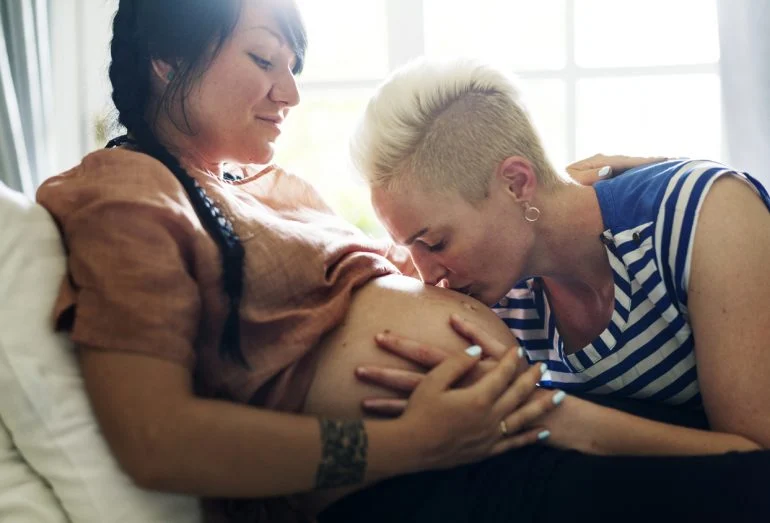
During my pregnancy with my first child, Alex, I felt radiant. The moment I discovered I was expecting, I envisioned a little boy, named him, and embraced the journey. A close friend documented my growing belly through maternity photos, and I reveled in reading and singing to him, eagerly awaiting his arrival into the world.
However, not everyone around me shared the same enthusiasm. Many of my friends without kids seemed to view parenthood as a burden, believing that parents simply used their children as excuses to leave gatherings early or skip out on social events. I was determined not to fall into that stereotype.
When my lengthy labor culminated in Alex’s birth at 1:15 AM on a Tuesday, I was utterly spent. Holding him, I felt a mix of joy and confusion. He was softer and fairer than I had imagined—truly a precious being with his father’s chin and my heart. Yet, despite that beautiful moment, I struggled to embrace my new identity as a mother.
As the weeks turned into months, I recognized that it wasn’t just fatigue holding me back—it was fear. In my eagerness to prove my friends wrong, I said yes to everything but failed to fully commit to motherhood. Visitors began streaming into the hospital just hours after Alex’s arrival. Within 36 hours, we were back home, and I hosted a gathering for friends. Despite feeling overwhelmed and sleep-deprived, I even brought him to church that weekend, determined to show that motherhood wouldn’t slow me down.
Returning to work seven weeks post-birth was inevitable for me. I resolved not to shed a tear as I left Alex and his father sleeping at home. I forced myself to smile at his pictures, suppressing the urge to cry. I feared that if I allowed myself to feel too deeply, I might lose my sense of self.
After two years of compartmentalizing motherhood, I came to a realization: it had irrevocably changed me. I could no longer maintain my previous lifestyle while nurturing my child. I had to accept the loss of my pre-motherhood existence, along with the grief of missing precious moments at work. Leaning into those feelings enabled me to experience the joy that accompanied the challenges of parenting.
Once I embraced vulnerability and gentleness, I began to truly immerse myself in motherhood. When I became pregnant with my second child, I resolved not to stretch myself thin. I prioritized my family above all else.
Labor for my second child began on Good Friday while Alex and my partner, Jake, worked on Easter eggs in the kitchen. I found a comfortable position, focused on my breathing, and let go of any tension. The process was remarkably smooth, and I remained in that spot until after the baby was born—a memory that will always warm my heart.
While breastfeeding presented its challenges, I sought help and accepted the support of fellow mothers who brought meals. I declined hospital visits and created a peaceful environment for my newborn. I rested, and soon enough, the feelings of motherhood began to flow.
I learned that embracing motherhood and enjoying it was largely about what I allowed myself to do. I finally embraced my role as a mother, saying no to distractions and yes to my children.
To all mothers out there, I offer you a crucial piece of empowerment. You have the right to trust your instincts and prioritize what is best for you and your child. After giving birth, you can refuse visitors and well-wishers. Just because someone offers assistance doesn’t mean you owe them your time or your baby’s company. No one has the right to hold or touch your child without your consent.
You don’t have to feel guilty for skipping events or gatherings if you’re not ready to re-enter the world. Cherish those quiet moments with your infant; they are fleeting and irreplaceable. I regret ever allowing the opinions of those without children to influence my parenting choices. I wish I had disregarded the judgment I felt for leaving a social event early; after all, children require routines, and I was exhausted from the demands of parenthood.
If your friends or family members aren’t supportive, remember it’s acceptable to set boundaries. We as mothers determine who is close to us and how long they stay. If you feel overwhelmed, enlist your partner or a trusted friend to help communicate your boundaries.
So, fellow mamas, here’s your permission: take the time to rest. Accept help, but don’t feel pressured to entertain. Enjoy those moments of intimacy with your little ones. The world can wait; we’ll be here when you’re ready to return.
For further insights on pregnancy and home insemination, check out this excellent resource, which offers a wealth of information.
In summary, it’s essential for new mothers to acknowledge their feelings and set boundaries to create a nurturing environment. Embracing motherhood and prioritizing family over societal expectations can lead to a fulfilling experience.