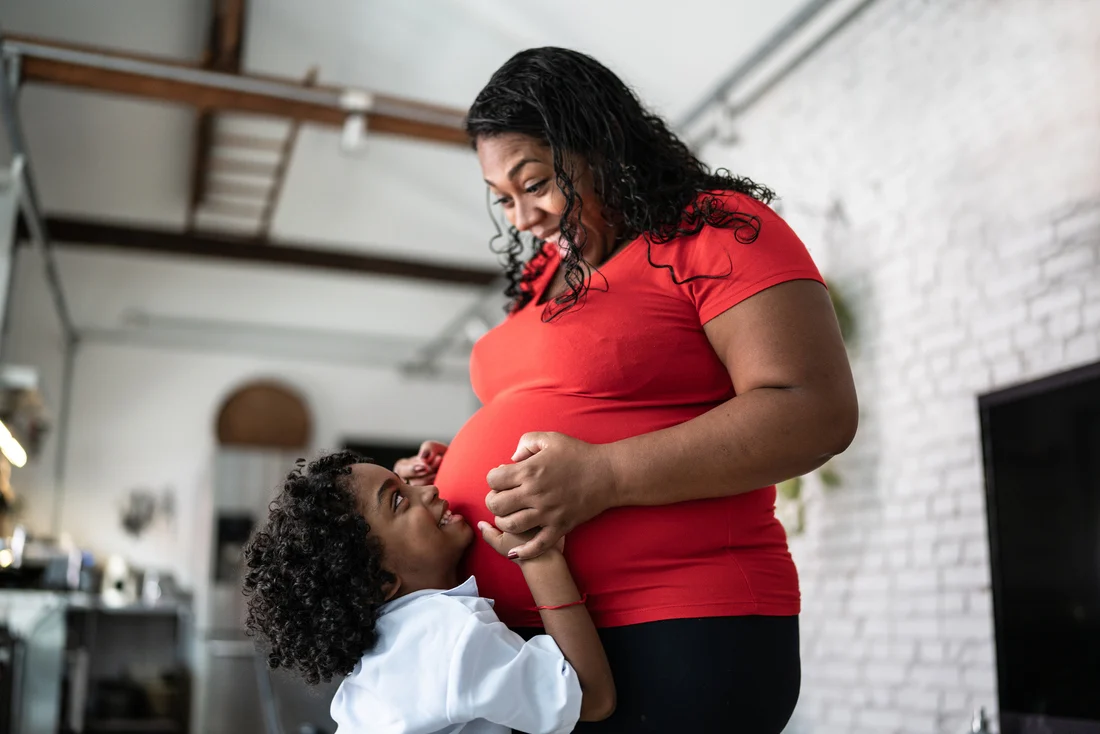
In the realm of postpartum experiences, the birth of my first child presented significant challenges that profoundly affected my mental and physical well-being. I faced multiple obstacles, including difficulties with breastfeeding, substantial sleep deprivation, and an undiagnosed case of postpartum anxiety. The culmination of these factors left me feeling utterly drained, as if I had endured a relentless series of physical blows.
When I became pregnant with my second child, I resolved that my postpartum journey would be markedly different. Acknowledging the inevitable hardships that accompany childbirth, I aimed to equip myself with strategies for a smoother recovery. My primary goal was to limit visitors significantly; during my first postpartum period, I felt overwhelmed by the social demands of hosting. Additionally, I planned to prepare an abundance of meals in advance and requested that anyone visiting contribute food.
I envisioned a “postpartum retreat,” where my focus would solely be on resting, healing, and establishing breastfeeding for a week or two. Research indicated that the body requires at least a year to fully recover from childbirth, with the initial weeks being crucial for this process. I instinctively recognized that prioritizing rest would be vital for alleviating anxiety and depression, allowing my body to recuperate, stabilizing my hormones, and facilitating a smoother nursing experience.
Given the demands of caring for a five-year-old alongside a newborn, I realized that my husband would need to be present during this time. Financial constraints precluded hiring external help, and all family members were employed full-time, making it impractical to rely on them. Ultimately, I believed that my husband’s support was essential for a successful postpartum transition.
I urged him to take two weeks off following the birth of our baby. Initially, he was hesitant, primarily due to our precarious financial situation—having recently lost his job and working part-time in various roles. The prospect of unpaid leave added additional stress to our already strained finances.
However, sometimes sacrifices must be made for the sake of mental health. Perhaps it was my fluctuating hormones, but I insisted on his taking the leave. I recognized that this decision was an investment not only in my well-being but also in our family’s future.
We accepted the financial hit, even requesting cash gifts from family members instead of traditional baby presents. Looking back, I have no regrets about this decision. The two weeks spent together as a family allowed me to recuperate in bed, facilitating a smoother transition into a family of four.
Most significantly, I experienced no mental health challenges during this period; breastfeeding was far less stressful, and while I was fatigued, it was a manageable exhaustion rather than the overwhelming fatigue I had previously encountered. Interestingly, my postpartum bleeding was also notably shorter than after my first child.
It is critical to acknowledge that this approach may not be suitable for everyone. Some individuals may not desire an extensive postpartum retreat, while others may not have partners available to provide support. Additionally, those in more dire financial situations may find such options unfeasible.
My experience underscores the urgent need for comprehensive maternity and paternity leave policies in our country. It should not be a complicated or stressful process for families to determine the necessary time off for both parents following the arrival of a new baby. In contrast, some countries offer extended paternity leave, allowing fathers to bond with their children and support their partners during the crucial early months of parenting.
To delve deeper into the significance of paternity leave and its profound impact on family dynamics, consider exploring further resources on pregnancy and home insemination, such as the excellent information found at the CDC. For those interested in tools for their fertility journey, websites like Make a Mom provide valuable insights. Additionally, you can find helpful articles on our blog here.
Summary
My decision to have my husband take unpaid paternity leave after the birth of our second child was instrumental in ensuring a healthier postpartum experience. This choice enabled me to focus on recovery and bonding with my newborn, underscoring the need for supportive family leave policies. Ultimately, the sacrifices made for mental health and family well-being are invaluable.