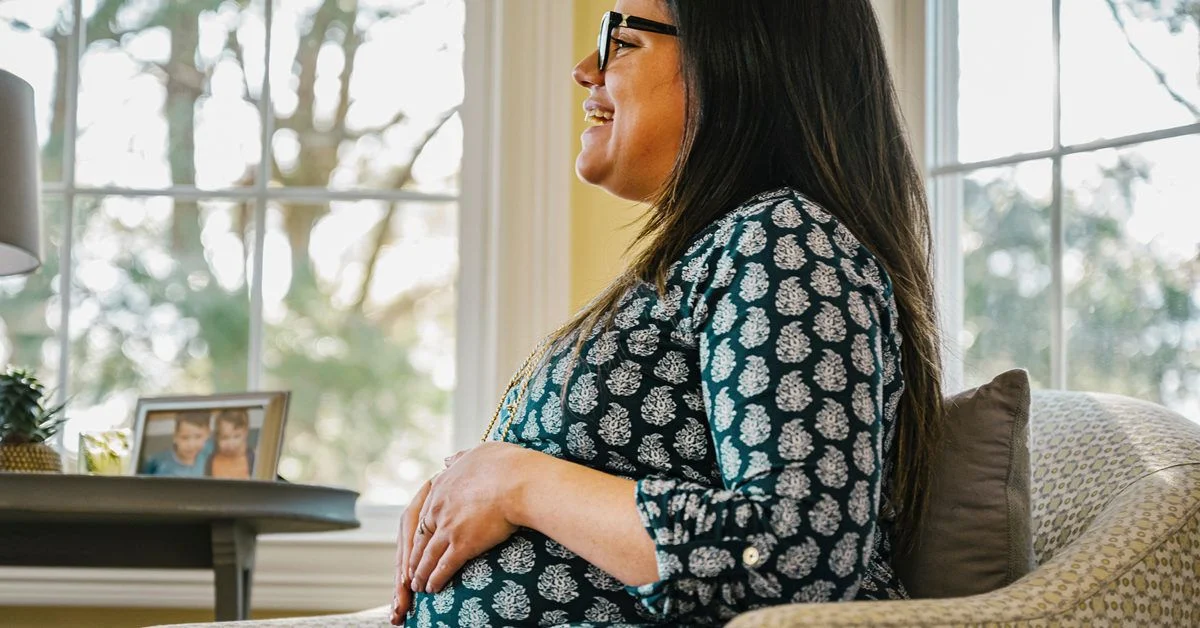
On June 2, my son, Leo James, was born. Tragically, his heartbeat ceased two days prior. I was 34 weeks into my pregnancy. The events of those days are etched in my memory, but I will begin with the early moments of his life.
This was the second child for my partner and me. Filled with joy and anticipation, we had planned for this addition, and as luck would have it, I conceived right away. Time flew by as I juggled our energetic 4-year-old, and soon I learned we would welcome another little boy into our family.
My pregnancy progressed normally, mirroring my previous experience. Yet, Leo had his own unique rhythm—specific times of activity and rest, which I had memorized. Each evening, after dinner, he would become lively, rolling and kicking as his father and brother watched in awe.
However, one night at 34 weeks, I noticed an unsettling silence; Leo was not moving as he usually did. I gently nudged my belly, playfully urging him to wake up. The following morning, I was filled with dread as I realized he had not stirred with me.
Immediately, I contacted my obstetrician, who reassured me that it was probably nothing serious and suggested a nonstress test. I arrived at the clinic alone, telling my partner it was likely just my anxiety. I shared lighthearted moments with the nurse, who joked about Leo’s possible position. But the atmosphere shifted when the doctor entered to perform an ultrasound. I gazed at the screen, feeling a deep sense of foreboding before he confirmed my worst fears—my baby’s heart had ceased to beat.
With a heavy heart, my doctor expressed his condolences. In those agonizing moments, we were not merely patient and physician; we were two individuals sharing profound sorrow. I will always cherish his humanity during that devastating time.
My partner arrived at the hospital, needing to see the ultrasound for himself, while I could not bear to watch. We held hands in silence as we were ushered into a maternity room designated for grief—where loss replaces joy, and a white rose hangs on the door, signaling to others the room’s somber purpose. It was distant from the joyful sounds of new parents and newborns.
We were met with the phrase, “I’m so sorry for your loss,” alongside pamphlets detailing the term “stillbirth” for the first time. The nurses were remarkably compassionate, respecting my preferences in how I wished to be treated. They held my hand during difficult moments and allowed me to express a range of emotions, from laughter to tears. They managed the physical aftermath of my labor with grace and support.
Three nurses cared for me: one during check-in, another who was particularly helpful regarding my pain management, and the last who was with me throughout my labor. I endured 18 hours of contractions to finally meet my son, Leo.
In that moment, as my child was born still, the silence was overwhelming. I experienced a stark transition from the chaos of labor to utter quiet. My nurse assured me she would prepare Leo and bring him to me, while my doctor tenderly told me he was beautiful and urged me to breathe. They gently mentioned his appearance, explaining he would have some discoloration, but I could see his lovely curly hair and round cheeks.
Every interaction was infused with compassion. When the nurse placed Leo in my arms, I was filled with trepidation. She encouraged me to take my time. At that moment, it felt like only my partner and I existed in the room with Leo. Time became irrelevant. We were caught in a fleeting moment that was far too brief for a lifetime of love.
As I cradled him, I noticed a small amount of blood, causing panic to rise within me. The nurse calmly guided us to another room, explaining the use of a cuddle cot, allowing us to stay with him until we felt ready to part ways. My doctor indicated I could be discharged approximately six hours post-delivery. We cherished every second with Leo, lovingly tracing his features, sharing stories of our family, and expressing our unending love.
It had only been 48 hours since I first felt the absence of his movements.
There is a poignant quote regarding bereaved parents: “The hardest thing I’ve ever had to hear was that my child died. The hardest thing I’ve ever done is to live every day since that moment.” This resonates deeply with my experience. The initial month was excruciating, and now, three months later, I find myself transformed. I will forever carry a sense of sorrow, an increased awareness, and a cautious nature.
Holidays, especially June 2, will be challenging. I will find joy in my life while feeling the void left by Leo. I will need extensive support and reassurance, and I do not apologize for this version of myself. It is part of my healing journey. The loss I have endured makes some uncomfortable, as I navigate the world as “the woman with the dead baby,” yet I remain strong and fiercely loving. My grief will not consume me; instead, my love for Leo will guide me. I will speak for him, as I now carry his voice.
To the medical professionals involved in this journey, your role during our darkest hours cannot be understated. It takes immense bravery to enter rooms marked by sorrow, to handle the emotions of parents grappling with unimaginable pain, and to provide comfort while acknowledging the beauty of our lost children. I can only imagine the weight of this responsibility on your shoulders.
I understand the need to compartmentalize your work, yet if you could take one thing home with you, let it be compassion. Recognize us as resilient mothers and cherish the beauty of our children. Please continue to offer kindness and understanding, walking with us through the darkest moments. And when we return, hopeful for future families, may you welcome us back with open arms and reassurance. We need your guidance on this journey.
For more information on navigating pregnancy and home insemination, check out this excellent resource or explore this blog post for additional support. Additionally, you can visit Make A Mom for insights on fertility supplements that may aid in your journey.
Summary
This article reflects on the profound experience of losing a child during pregnancy, detailing the emotional journey and the compassionate care received from medical professionals during this devastating time. It emphasizes the importance of empathy and support as bereaved parents navigate their grief and the complexities of future family planning.