Abstract
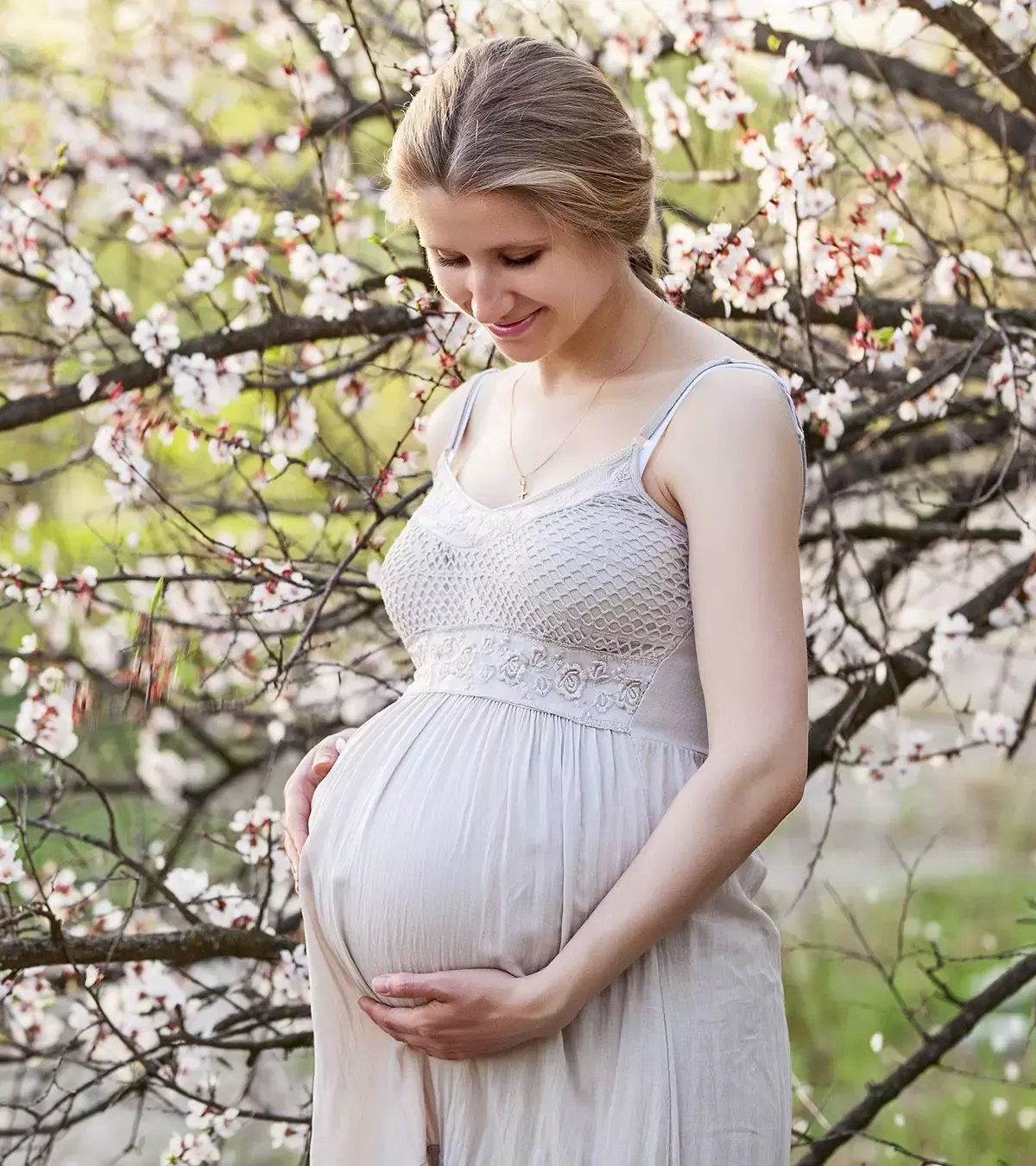
In the realm of childbirth and parenting, the prevailing belief that “natural is best” has often been touted as the gold standard for maternal experiences. This narrative can shape expectations and lead to feelings of inadequacy when circumstances diverge from the ideal. This article explores the author’s journey through an unexpected birth experience, the impact of postpartum depression, and the re-evaluation of the concept of empowerment in motherhood.
Introduction
Before the conception of my child, I envisioned an idyllic birth experience characterized by natural beauty and empowerment. My plan was to labor at home until the early hours of the morning, when my partner and I would hastily make our way to the hospital, where an unmedicated delivery awaited. However, reality intervened when I was diagnosed with preeclampsia at 39 weeks, necessitating medical intervention. The dream of a serene birth quickly dissolved as I found myself confined to a hospital bed, tethered to monitors instead of embracing the labor experience I had envisioned.
My daughter entered the world amid the chaos of my unmet expectations, her cries demanding my attention while I grappled with the loss of control over my birthing experience. In the aftermath, I was confronted with severe postpartum depression (PPD), a condition that I initially attributed to my perceived failure to achieve an empowering birth. I had envisioned myself as a fierce warrior, embodying strength similar to my experiences as a distance runner. Instead, I felt betrayed by a medical system that disregarded my preferences.
Discussion
Over time, my perspective shifted. I began to question the narrow definition of empowerment I had previously accepted. The widespread ideology that natural birth is synonymous with empowerment—and that medical intervention undermines a woman’s autonomy—pervades various aspects of parenting, including infant feeding. The belief that breastfeeding is the only acceptable option for nurturing has led many mothers to feel inadequate, especially when faced with challenges. I have come to recognize that this rigid mindset can be detrimental to both mothers and infants, leading to unnecessary guilt and anxiety.
My transformation began shortly after my daughter’s birth. When my milk supply failed to materialize, formula saved both her health and my sanity. I also learned that attachment parenting, while well-intentioned, did not guarantee peaceful nights of sleep. The turning point came when my healthcare provider prescribed Zoloft, emphasizing that happiness and well-being during motherhood should not be compromised. I realized that perhaps natural isn’t always superior, and that medical interventions can provide essential support.
Despite the inherent pressures exerted by societal norms, I have come to understand that the primary goal of pregnancy and childbirth should always be the health of both mother and baby. Regrettably, many women encounter an overwhelming expectation to achieve a natural birth and exclusive breastfeeding, often exacerbated by narratives found on parenting blogs and within medical discourse. This pressure can overshadow the genuine needs of mothers, leading to feelings of failure—not from their choices, but from societal expectations.
As I prepare for the birth of my second child, my approach has transformed. Rather than adhering to preconceived notions of an ideal birth, I prioritize having a healthy baby. I am prepared for possible medical interventions and will not hesitate to seek relief during labor. Additionally, I have equipped myself with both a breast pump and a supply of formula, acknowledging that flexibility is key. This newfound perspective allows me to enter motherhood free from the weight of external pressure. Should postpartum depression resurface, it will not compound my experience with feelings of inadequacy regarding natural birthing or breastfeeding.
Conclusion
By redefining what empowerment means to me, I have liberated myself from the constraints of societal expectations. This journey highlights the importance of prioritizing maternal mental health and recognizing that both natural and medical interventions can coexist in the pursuit of a healthy and fulfilling parenting experience.
For more insights into the complexities surrounding pregnancy and the challenges many face, consider exploring this excellent resource on reproductive health. If you’re seeking further information on parenting practices, check out this article on our other blog post regarding natural birthing methods. Additionally, for those interested in tools to assist in conception, Make a Mom is an authority on fertility boosters for men.
Summary
In conclusion, the journey through childbirth and parenting can be fraught with societal expectations that may not align with individual experiences. The belief that “natural is best” can lead to feelings of failure and inadequacy among mothers when the reality of their birth experience diverges from this ideal. It is crucial to prioritize the health of both the mother and the child, embracing flexibility and support in the birthing process. Reflecting on these experiences can lead to a more empowering and fulfilling approach to motherhood.