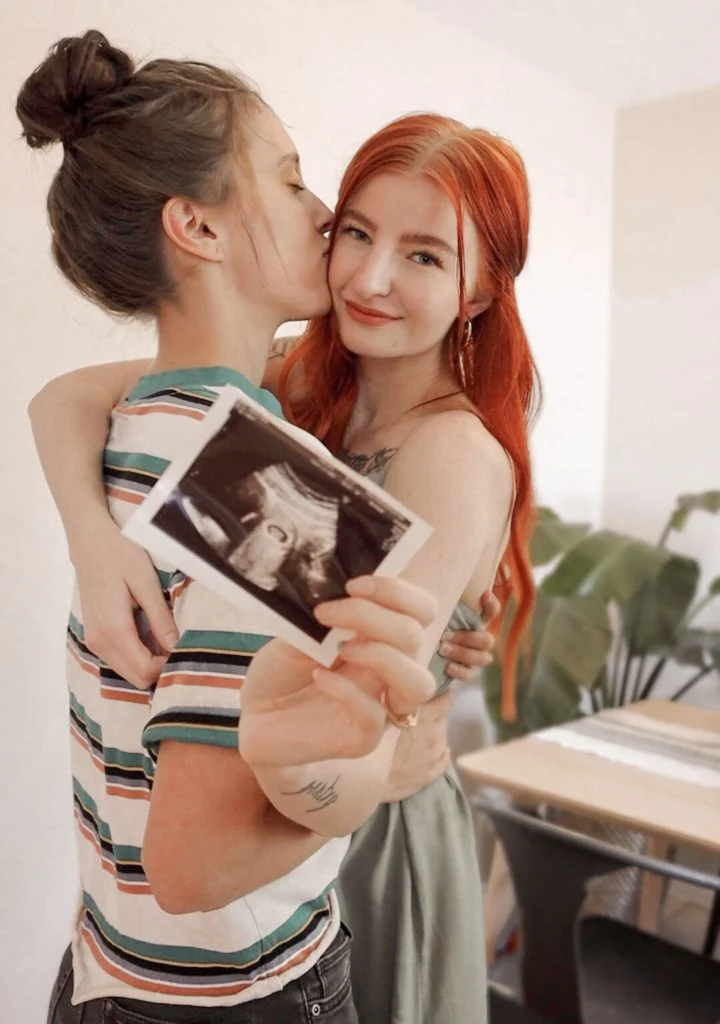
A year ago, I was 35 weeks pregnant when my world turned upside down. Unbeknownst to me, my placenta was detaching from the wall of my uterus. I had visited the doctor hours earlier for a routine check-up, where everything appeared normal. Feeling restless and somewhat uneasy, I discussed my concerns with my family and decided to go to the hospital. I approached the triage nurse, apologizing for what I thought was paranoia, saying, “I just want to make sure the baby is okay.”
Once connected to a fetal monitor, I texted my partner, reassured that the baby’s heart rate was stable. However, moments later, everything changed. The placenta detached, cutting off oxygen to my baby, Charlie, and causing internal bleeding. In medical terms, I was experiencing a severe placental abruption. Amazingly, I was at the hospital; if I had been at home, I might not have known that Charlie was in distress.
Machines beeped ominously as a flurry of medical staff rushed in. My bed was wheeled into the operating room with frantic urgency. I felt overwhelmed and insignificant, like a small piece in a chaotic game. I attempted to call my partner, but someone took my phone and didn’t return it.
The operating room felt surreal, as if I had entered another realm. Amidst the chaos, I was struck by the presence of a dear friend who would pass away from cancer just hours later. I even glimpsed my partner’s grandfather, who had died weeks earlier, watching from the corner. Despite the circumstances, their presence brought me a strange sense of comfort.
Charlie’s entrance into the world was anything but typical. He didn’t arrive gently; he was pulled through an emergency incision in my abdomen, a moment that felt like a fracture in reality.
When I finally regained consciousness, I heard my partner’s voice and immediately knew that I was no longer pregnant, yet the realization that Charlie was not with me was indescribable. The only details I have about his birth come from medical records stating he was born blue and unresponsive, with an initial APGAR score of 2.
While I was stitched up, medical staff worked tirelessly to resuscitate him. The scene resembled a dramatic hospital montage, with my body healing while a machine breathed for my baby one floor below. Charlie was alive, though, tucked inside his incubator, looking like a small fish ensnared in a net.
We were fortunate, as every medical professional we encountered reminded us. They asked how I had known to come in. Truth be told, I didn’t know; something beyond my understanding compelled me to leave home.
I first laid eyes on Charlie 12 hours after his birth. It was a moment unrecorded; no one took a picture of our meeting. Instead, we were enveloped in a whirlwind of awe and fear, as if we had narrowly escaped a great danger. I was still recovering in a wheelchair, covered in bruises and IVs, and Charlie’s delicate features were obscured beneath a tangle of cords. But I marveled at the rhythm of his tiny chest rising and falling.
Processing a traumatic birth is a complex journey. Most days, I feel immense gratitude, especially when I think of those who experience the heartache of losing a child or those who long for one and cannot. However, the experience changed me; the ground felt uneven beneath my feet. I couldn’t shake the knowledge of what could have happened had I arrived at the hospital moments too late. I now see pregnant women differently; their rounded bellies make me hold my breath.
Yet, time marches on. Charlie is now one year old, which is hard to believe. His little body spills out of his pants, and he greets me with wet, open-mouthed kisses. His tiny fingernails remind me of ladybug wings. Sometimes, I reflect on the absence of that first picture of us together, but then I go to him after his nap. He presses his small hand against the side of his crib, and I place my hand on the other side. His warm palm feels like a blessing, and I realize that I no longer need a photograph to remember that moment.
Resources for Those Navigating Similar Journeys
For those navigating similar journeys, there are resources like this informative article on pregnancy and home insemination, and this guide for at-home insemination approaches. If you’re interested in more about the topic, check out this post.
Conclusion
In summary, my traumatic birth experience was a life-altering event that left lasting impressions. While I am grateful for Charlie’s life, the echoes of that day linger, reminding me of the fragility of existence.