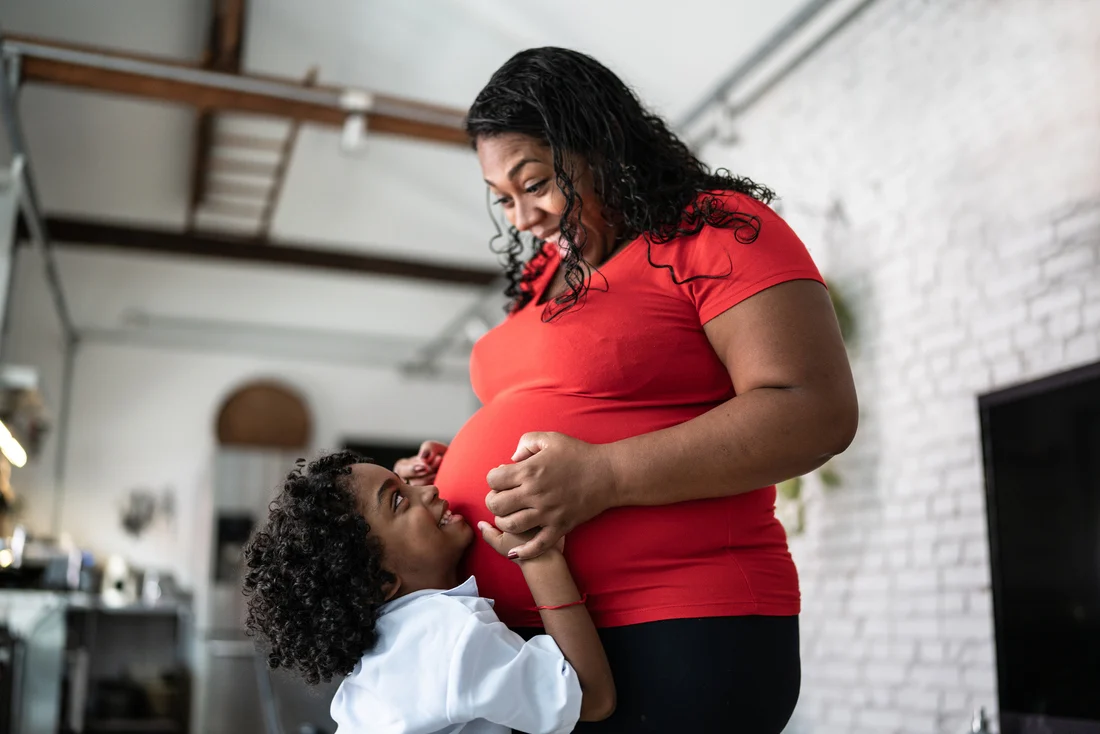
From the moment my third-grade teacher introduced me to documentaries about environmental activism, I felt compelled to contribute positively to our planet. I urged my parents to recycle, took brief showers, and ensured the tap was off while brushing my teeth. I was diligent about conserving energy and envisioned a future where I’d embrace a nature-centric, eco-friendly lifestyle—breastfeeding my children and preparing homemade baby food. As I grew older, I became aware of the pesticides on commercial produce and aspired to cultivate my own vegetables.
Although I’ve achieved much of this vision, I must admit it’s largely due to my financial means. Living a “crunchy” lifestyle, or even a semi-crunchy one, requires a level of privilege that deserves recognition. Discussions about privilege often focus on race, gender, and sexual orientation; however, socioeconomic privilege plays a crucial role in one’s ability to live sustainably.
When people think of a crunchy lifestyle—eating organic, gardening, composting, using cloth diapers, and biking—the assumption is often that these choices are cost-effective. While this can be true in certain instances, the reality is more nuanced. For instance, my organic garden, which once flourished with tomatoes, beans, and kale, was a source of pride. I believed I was saving money by growing my own food, but not everyone has the opportunity to plant a garden. For many, yard space is limited, and maintaining a garden demands time—an invaluable resource that can be scarce.
Breastfeeding is another aspect often romanticized. While it’s free and offers health benefits, many mothers face obstacles that make it impractical. For those returning to work, the challenges of finding time and space to pump can be daunting. Despite laws like the Break Time for Nursing Mothers Act, many workplaces do not fully support breastfeeding mothers, leading to feelings of guilt or discomfort.
Moreover, the financial aspect of living a crunchy lifestyle can be prohibitive. Organic food, while beneficial, comes at a premium, often about 50% more than conventional options. For families in rural areas, access to fresh and organic produce can be even more limited. Composting, although appealing, requires consistent maintenance and adequate space—luxuries not available to everyone.
Using cloth diapers is another example of this privilege. Not every family has access to a washer that can handle soiled laundry, and the time commitment for extra loads can be overwhelming. Similarly, biking is a great way to reduce your carbon footprint, but it relies on living in an area that supports such commuting options; not to mention the cost of owning an electric vehicle can be high.
This isn’t to suggest that all who lead a crunchy lifestyle are wealthy; it’s essential to recognize that many of these practices hinge on factors aligning perfectly. For families working tirelessly to make ends meet, prioritizing eco-friendly choices often takes a backseat to daily necessities.
If you identify as crunchy, take pride in your commitment to sustainability, but also recognize that this lifestyle can be a luxury. Practicing gratitude and understanding that everyone is navigating their own challenges will foster a more inclusive community.
For more insights on home insemination, check out this post: Intracervical Insemination. Additionally, you can find expert resources on pregnancy and related topics at WomensHealth.gov. If you’re interested in home insemination kits, visit Make a Mom for more information.
In summary, embracing a crunchy lifestyle is not just about personal choices; it’s also about recognizing the privilege involved in making those choices. Sustainable living can often be a luxury that not everyone can afford.