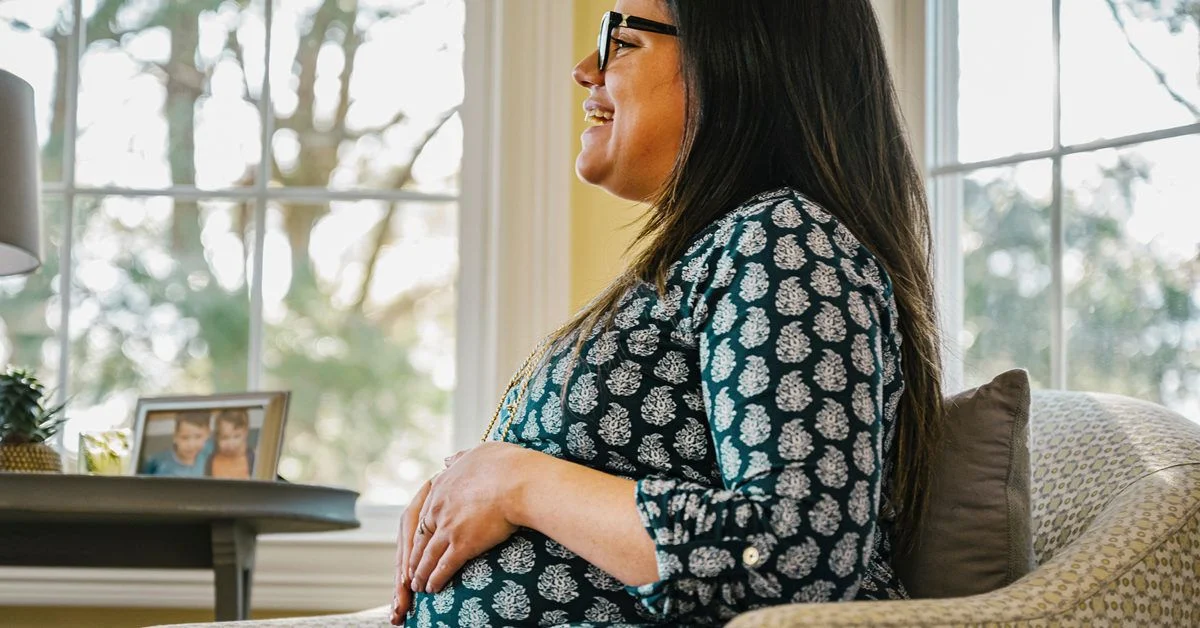
I once aspired to be the ideal mother. I envisioned myself engaging in every possible activity, from arts and crafts to baking homemade treats, crafting days filled with enriching, sensory experiences. Surely, if experts advocate for playful, engaged learning, it must be paramount, right? Moreover, I dreamed of being stylish and attractive while juggling these responsibilities.
Back then, I believed I could be everything for my family. After all, what’s a little sacrifice to become a supermom? However, I’ve since done a complete 180. Now, I find myself in yesterday’s sweatpants and a stained t-shirt, watching my child pick up a chicken drumstick from the floor — likely covered in dog hair — and I can’t recall the last time I attempted a craft.
This shift has made me acutely aware of the internal and external pressures tied to the unattainable “supermom” ideal, which often leaves mothers feeling inadequate, anxious, and overwhelmed with guilt. Simultaneously, it provides some fathers with an excuse to lessen their involvement (let’s skip the “not all dads” rhetoric; we know there are capable partners out there).
In my nearly four years of parenting, it has become evident that motherhood brings a plethora of demands but scant support. This isn’t just about spousal assistance; even if you have an engaged co-parent, the societal expectations for being a “good mom” are unyieldingly tough. From the moment a pregnancy test turns positive, mothers are often expected to sacrifice significant parts of themselves to ensure the happiness of their children for the next 18 years or more.
One early indication of the unrealistic expectations placed on mothers is our tendency to prioritize phrases like “as long as the baby is healthy” during birth experiences. Having had two children, I certainly appreciate the importance of infant health. But there must be a balance between ensuring newborn safety and considering maternal health and birth trauma. Birth is a significant physiological event, yet our support systems rush to celebrate the child while neglecting the mother, who is left to navigate early motherhood amid physical and emotional challenges. Research has even shown a link between birth/postpartum pain and postpartum depression. It seems clear that supporting mothers through this transition positively influences the entire family.
The role of social media and reality TV exacerbates the pressure to embody the “supermom” stereotype. Platforms like Instagram and Facebook hold mothers to a spotlight, showcasing their perceived failures, leading them to feel they must project an image of perfection — immaculate homes, trendy outfits, and constant outings. This pressure can be damaging, as we’ve seen parents face public shaming during their most vulnerable moments, often without context.
It’s as if we’ve forgotten that we’re all navigating the complexities of parenting, one day at a time. No one has it all figured out, and everyone stumbles along the way.
There are countless opinions on what a good mother should be, but few have examined the contradictory, often sexist division of parenting responsibilities. If a mother chooses to work, she’s labeled as selfish. Yet, the barriers of low wages and inadequate paid leave make it increasingly difficult to be both a good employee and mother. Conversely, if a mother stays home, she often faces judgment for lacking ambition or for not having a life outside of her children. The myth of the supermom perpetuates the notion that neither pursuit of personal dreams nor sacrifices for family are sufficient. It feels like an unwinnable battle.
In contrast, fathers often enjoy a different experience. They are frequently viewed as providers or “babysitters,” and their roles are less scrutinized. While fatherhood comes with its own challenges, it doesn’t carry the same relentless judgment that mothers face. Many fathers receive praise simply for being present in the home, while mothers are expected to excel in every aspect of parenting.
The pressure to be a flawless mom implies that we don’t deserve time to de-stress and that self-care should take a back seat because “this is what we signed up for.” The supermom myth dictates that we should embody unwavering support for everyone around us, yet when we express the strain of these expectations, we’re often deemed unworthy of motherhood.
Moms are expected to be resilient, yet instead of allowing us to be vulnerable, we’re encouraged to cope with our feelings through unhealthy outlets. The expectations placed upon us create a yearning for numbness, as it feels easier to disengage than to seek validation.
The worth of a mother should not hinge on self-sacrifice and martyrdom. Motherhood should not limit my social or career potential while my partner operates without constraint. Wanting the best for our children is commendable, but let’s acknowledge the ever-increasing standards placed upon modern mothers, particularly single moms. It’s evident that society is more invested in what I can provide for others rather than who I can be for myself. Frankly, I’m tired of chasing the title of the world’s best mom.
It’s time to abandon the supermom myth. This illusion is harmful. Instead, we should focus on creating equitable labor divisions in households and advocating for policies that foster a more parent-friendly environment, such as paid family leave and affordable childcare.
In conclusion, the journey of motherhood is complex, filled with expectations that often feel insurmountable. By recognizing the damaging effects of the supermom myth, we can begin to cultivate a supportive community that prioritizes the well-being of all parents.
For more insights on home insemination, you can explore this post. If you’re interested in at-home insemination options, check out Make a Mom for quality kits. Additionally, for valuable information on pregnancy, consider Johns Hopkins Fertility Center.
Summary:
Motherhood is fraught with often unattainable expectations that can lead to feelings of inadequacy and anxiety. Social pressures and the myth of the “supermom” create a challenging environment for mothers, who are expected to balance personal aspirations with family demands. It’s important to challenge these standards and work toward a more equitable division of labor in parenting.