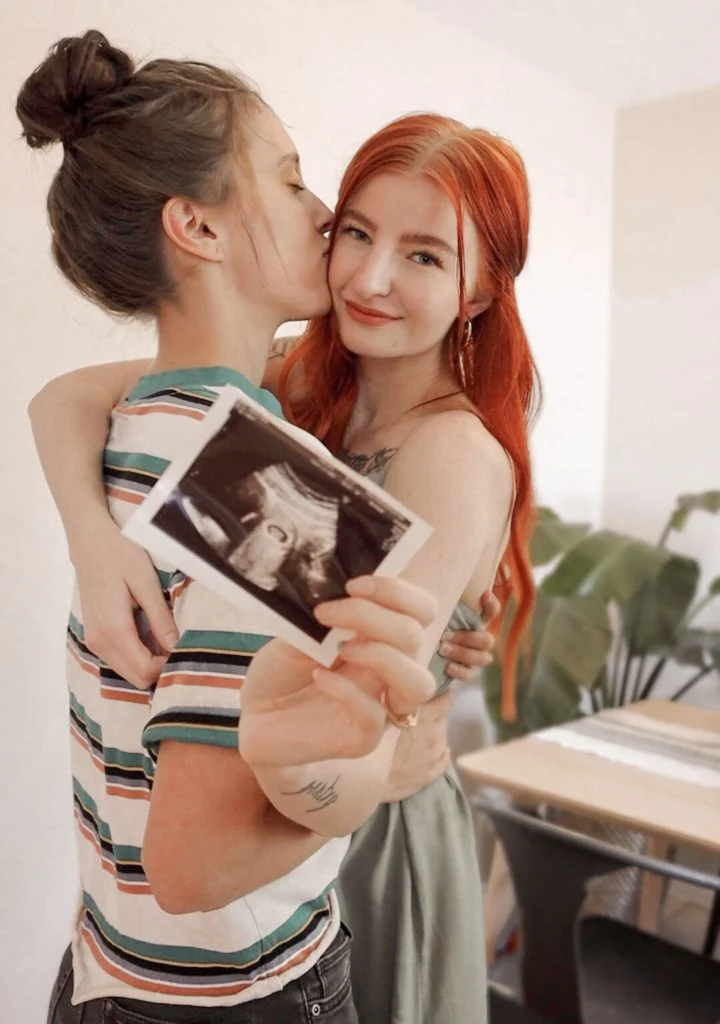
When I was expecting, the thought of my daughter, Mia, potentially having Down syndrome didn’t frighten me—at least not openly. What did concern me was the chance she might have a heart condition, a fear that lingers. I followed my doctor’s advice and took things one step at a time since we were uncertain about her diagnosis. We didn’t know if she had Down syndrome or if her heart was healthy; we were just in the dark. I began researching but limited myself, believing Mia would arrive perfectly fine—or so I thought.
And she did arrive, lovely and tiny, instantly becoming the center of our world. However, the hours following Mia’s birth were filled with anxiety. She was taken to the NICU because her oxygen levels were plummeting, and the doctors were puzzled. Oxygen administration was off the table as they suspected her problem might stem from a heart issue. A cardiologist, who was initially scheduled to see us the following week, had to come urgently.
We anxiously awaited his arrival, hoping he could perform an echocardiogram and assess our newborn’s heart. Fortunately, the cardiologist found some minor concerns but assured us that her breathing difficulties were not heart-related, allowing her to receive oxygen. That was a relief! I remember feeling a wave of fear, yet I tried to stay strong as we waited for answers, holding back tears.
Mia used oxygen temporarily; she thrived with it but struggled without it. It turned out her tongue was the culprit, as babies with Down syndrome often have larger tongues, a fact I overlooked in my research. This meant her tongue was obstructing her airway. The solution involved administering oxygen and paying close attention to her positioning. After several back-and-forth days with oxygen, she eventually stabilized, and we eagerly took our little girl home!
It saddens me to think her upbringing may differ from her sibling, Lily’s, or that she might struggle to make friends or face bullying. The early days at home were challenging. My partner, Tom, and I were exhausted, and I dealt with some discomfort, though I was grateful for a smooth recovery. We felt anxious, especially as we were sent home without a monitor (looking back, I wish I’d thought to ask for one!) and only guidance to monitor her positioning to prevent oxygen drops.
We stayed vigilantly by her side, day and night, worrying about her breathing. This is a common fear for new parents, but in our situation, the stakes felt much higher. Just three days after returning home, we faced a terrifying moment when Mia turned blue while sitting with her sister, Lily, for a photo. When I lifted her, her color shifted, and her tongue was stuck. Thankfully, we managed to get her tongue free on the way to the hospital, and after consulting her pediatrician, we returned home.
Overwhelmed with emotion about Mia’s future, I oscillated between sadness, fear, hope, and excitement. We closely monitored her until she learned how to manage her tongue issue independently. Breastfeeding played a significant role, and within a month, we felt we no longer needed to worry about her tongue. This felt like a monumental victory on our journey.
In the midst of countless appointments, online resources, and discussions about Down syndrome, I was inundated with information—everything from services for Mia to strategies I should consider. One common recommendation was early intervention, which many praised for its positive impact. We began securing services, including a special instruction teacher, physical therapy, and a social worker to support Mia. She is only three months old, but we are doing our utmost to ensure she gets everything she needs. These months have been incredible, and I feel so grateful for Mia’s health and happiness.
While I cherish every moment with Mia, I can’t help but feel overwhelmed thinking about her future. I worry she might struggle with developmental milestones, or that her childhood won’t mirror that of her sister, Lily. I’m concerned about potential health complications and the possibility of surgery. The list of worries is endless. While people encourage me to take things one day at a time (something I strive to do), the reality is that as a mother, I want to shield my children from pain and suffering.
What I want most for Mia is for her to thrive and enjoy a fulfilling life. I know that Tom and I will provide her with the love and support she needs. It’s going to be challenging, and that’s perfectly fine! I remind myself that it’s okay to feel scared or anxious and to express those feelings. While I may not know what the future holds for Mia, I’m committed to embracing every moment—whether joyful, difficult, or frightening—and sharing the beauty of my wonderful daughter with the world.
For more insights on similar topics, check out one of our other posts here. If you’re looking for expert guidance on home insemination, visit Make a Mom. Additionally, WebMD offers excellent resources on pregnancy and home insemination.
In summary, parenting Mia has been a blend of gratitude and fear. While I celebrate her milestones and health, I also grapple with worries about her future and the challenges she may face. Nonetheless, I remain committed to providing her with the best life possible, knowing that it’s okay to feel a mix of emotions along this journey.