Pregnancy is a unique and transformative experience for women, both physically and emotionally. Along with the physical changes, many women also experience changes in their food preferences and cravings during pregnancy. These cravings often seem intense and specific, leading many to wonder why they crave certain foods and if there is any psychological explanation behind it. In this blog post, we will explore the psychology behind pregnancy cravings and why we crave what we do.
The concept of pregnancy cravings has been around for centuries, with many cultures having their own beliefs and explanations for them. Some believe that cravings are the body’s way of telling the mother what nutrients it needs, while others see it as a sign of the baby’s gender. However, there is no scientific evidence to support these beliefs. So what is the real reason behind pregnancy cravings?
One of the main reasons for pregnancy cravings is hormonal changes. During pregnancy, there is a significant increase in the levels of hormones such as estrogen, progesterone, and human chorionic gonadotropin (hCG). These hormones play a crucial role in regulating appetite and can affect a woman’s taste and smell preferences.
Estrogen, in particular, can have a significant impact on cravings. It is responsible for increasing the sensitivity of taste and smell, making certain foods more appealing. It also stimulates the production of dopamine, the feel-good hormone, which can lead to a desire for foods that provide a quick boost of energy or pleasure.
Progesterone, on the other hand, can increase the appetite and lead to cravings for high-calorie foods. This hormone is responsible for maintaining the lining of the uterus and supporting the growth of the placenta. It also has a calming effect on the body, which can lead to cravings for comfort foods that provide a sense of relaxation and well-being.
Apart from hormonal changes, pregnancy can also bring about emotional changes that can influence cravings. Many women experience mood swings, stress, and anxiety during pregnancy, which can lead to emotional eating. Food, especially high-calorie and sugary foods, can provide a temporary sense of comfort and satisfaction, making them a go-to choice for pregnant women.
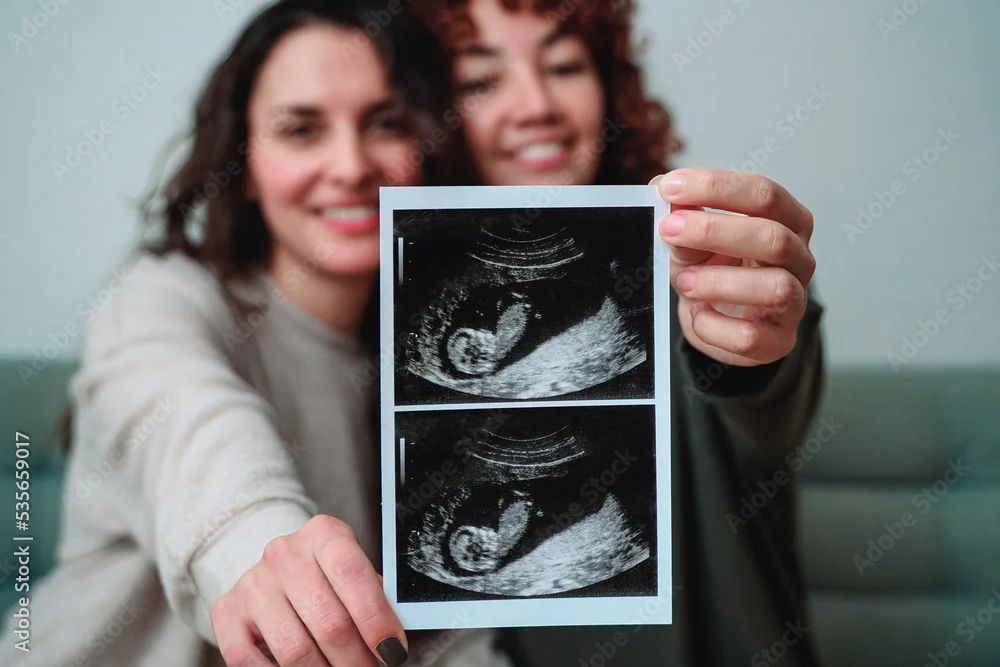
The Psychology Behind Pregnancy Cravings: Why We Crave What We Do
Another factor that can contribute to pregnancy cravings is cultural and societal influences. From a young age, we are exposed to certain foods and their associations with comfort, pleasure, and celebrations. As a result, these foods become ingrained in our minds as go-to options during times of stress or happiness. During pregnancy, these associations can become stronger, leading women to crave specific foods that hold emotional significance.
But why do pregnant women crave such specific and sometimes bizarre foods? The answer lies in the brain’s reward system. When we eat foods that we crave, our brain releases dopamine, the feel-good hormone, which reinforces the behavior and makes us want to repeat it. This can explain why pregnant women may crave foods that they have never even tried before or foods that they previously disliked.
Moreover, cravings during pregnancy can also be influenced by nutritional deficiencies. For example, a craving for ice or non-food items like chalk or clay (known as pica) can be a sign of iron deficiency. In such cases, it is essential to consult a healthcare provider and address any potential nutritional deficiencies.
It is crucial to note that not all pregnant women experience cravings, and those who do may not experience them throughout their pregnancy. Cravings can also vary from woman to woman and pregnancy to pregnancy. Some women may crave sweet foods, while others may crave salty or spicy foods. The intensity of cravings can also differ, with some women experiencing mild cravings while others may have intense and frequent cravings.
In conclusion, pregnancy cravings are a result of a combination of physiological, psychological, and cultural factors. Hormonal changes, emotional shifts, societal influences, and nutritional deficiencies can all contribute to the foods pregnant women crave. While it is normal to have cravings during pregnancy, it is essential to maintain a balanced and healthy diet for the well-being of both the mother and the baby.
In summary, pregnancy cravings are a common phenomenon that can be attributed to hormonal changes, emotional factors, cultural influences, and nutritional deficiencies. These cravings can vary from woman to woman and pregnancy to pregnancy, but they are a natural part of the pregnancy experience. It is essential to listen to your body and cravings, but also maintain a balanced and healthy diet for the overall well-being of both the mother and the baby.