Breaking Down the Barriers: Overcoming Obstacles to Natural Conception
For many couples, starting a family is a dream that they hope to achieve naturally. However, for some, this dream can become a frustrating and challenging journey filled with obstacles and roadblocks. Infertility affects about 12% of couples in their reproductive years, and it can take a toll on their physical, emotional, and financial well-being.
The good news is that there are ways to break down the barriers and overcome the obstacles to natural conception. In this blog post, we will discuss some of the most common barriers to natural conception and provide tips and advice on how to overcome them.
Barrier #1: Age
One of the biggest barriers to natural conception is age. As women age, their fertility declines, and the quality of their eggs also decreases. A woman’s fertility peaks in her 20s and starts to decline significantly after the age of 35. By the time a woman reaches her mid-40s, her chances of conceiving naturally are very low.
Solution: If you are planning to start a family, it is essential to be aware of your age and its impact on your fertility. The best way to overcome this barrier is to plan ahead and start trying to conceive earlier rather than later. If you are in your mid-30s or older, it is important to seek the help of a fertility specialist to assess your fertility and explore options like egg freezing.
Barrier #2: Lifestyle Factors
Our lifestyle choices can also have a significant impact on our fertility. Factors such as smoking, excessive alcohol consumption, poor diet, and lack of exercise can all affect our reproductive health. For women, being underweight or overweight can also affect their menstrual cycle and ovulation, making it more challenging to conceive naturally.
Solution: Making positive lifestyle changes can help improve fertility and increase the chances of natural conception. Quitting smoking, limiting alcohol consumption, and following a healthy diet can all have a positive impact on reproductive health. For women struggling with weight-related fertility issues, working with a nutritionist or fertility specialist can help them achieve a healthy weight and regulate their menstrual cycle.
Barrier #3: Underlying Health Conditions
Certain health conditions can also interfere with natural conception. For women, conditions such as polycystic ovary syndrome (PCOS), endometriosis, fibroids, and thyroid disorders can affect fertility. In men, conditions such as low sperm count, erectile dysfunction, and hormonal imbalances can also make it difficult to conceive naturally.
Solution: If you or your partner have been diagnosed with any underlying health conditions, it is crucial to seek treatment and manage these conditions before trying to conceive. For women with conditions like PCOS or endometriosis, fertility treatments such as ovulation induction or in vitro fertilization (IVF) may be necessary. For men with low sperm count or other sperm-related issues, lifestyle changes, supplements, or fertility treatments may be recommended by a doctor.
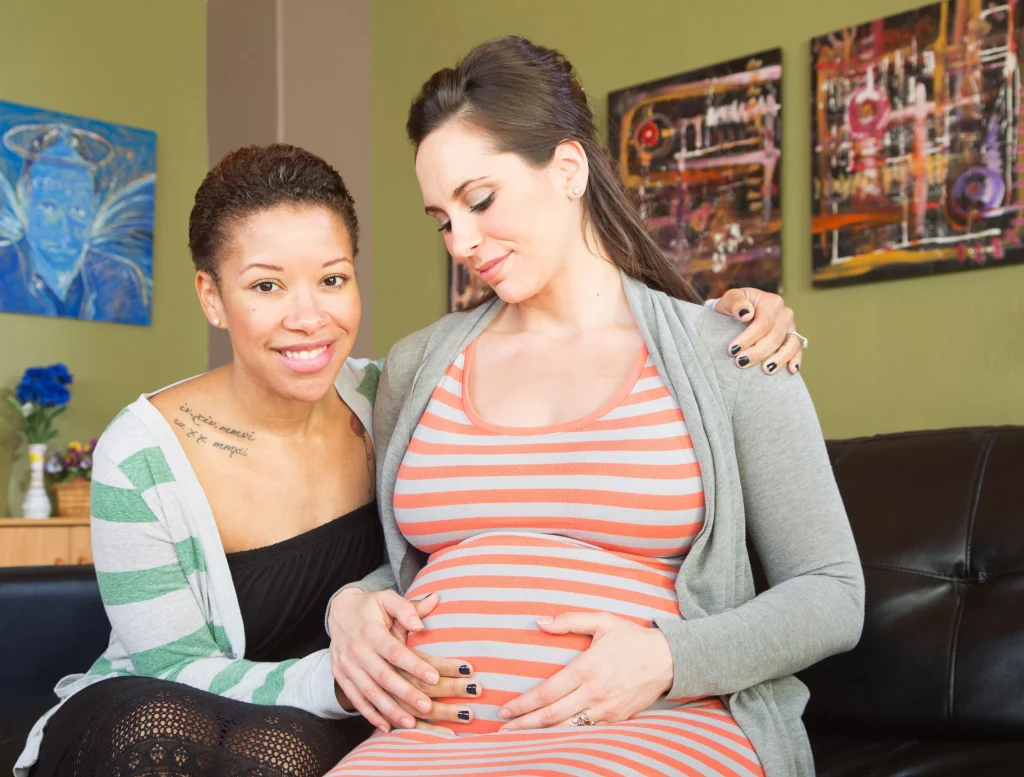
Breaking Down the Barriers: Overcoming Obstacles to Natural Conception
Barrier #4: Stress and Mental Health
Trying to conceive can be a stressful and emotionally challenging experience. The pressure of trying to get pregnant, the fear of not being able to conceive, and the emotional toll of failed attempts can all contribute to stress and anxiety, which can, in turn, affect fertility.
Solution: It is essential to find healthy ways to manage stress and prioritize mental health while trying to conceive. Activities like yoga, meditation, and therapy can help reduce stress and improve overall well-being. It is also crucial for couples to communicate openly and support each other during this journey, seeking professional help if needed.
Barrier #5: Timing and Frequency of Intercourse
Another barrier to natural conception can be the timing and frequency of intercourse. For a woman to get pregnant, she needs to have intercourse during her fertile window, which is typically around the time of ovulation. If couples are not having intercourse during this time or if they are not having enough intercourse, the chances of conception are significantly reduced.
Solution: To overcome this barrier, it is essential to understand the woman’s menstrual cycle and track ovulation. There are various methods to track ovulation, including using fertility tracking apps, monitoring basal body temperature, and using ovulation predictor kits. Couples can also benefit from having regular intercourse, at least 2-3 times a week, to increase the chances of conception.
Barrier #6: Unexplained Infertility
In some cases, couples may face difficulties conceiving without any underlying health conditions or lifestyle factors. This is known as unexplained infertility, and it can be a frustrating and confusing experience.
Solution: If you have been trying to conceive for a year or more without success, it is essential to consult a fertility specialist. They can perform tests and evaluations to determine the underlying cause of your infertility and recommend appropriate treatment options.
Barrier #7: Financial Barriers
Fertility treatments can be expensive, and the cost can be a significant barrier for many couples. In addition to the cost of treatments, there may also be additional expenses such as medications, consultations, and procedures that can add up quickly.
Solution: It is crucial for couples to research and plan for the financial aspect of fertility treatments. Some options to consider include insurance coverage, financing options, and grants or scholarships offered by fertility clinics. It is also important to prioritize and explore less expensive treatment options, such as intrauterine insemination (IUI) before moving on to more expensive treatments like IVF.
In conclusion, while there may be many barriers and obstacles to natural conception, there are also ways to overcome them. By being aware of these barriers and taking proactive steps to address them, couples can increase their chances of achieving their dream of starting a family naturally.