Blog Post:
The journey to conception can be a challenging one for many couples. While modern medicine has made significant advancements in the field of fertility treatments, more and more people are turning to traditional methods for natural conception. One such method is Traditional Chinese Medicine (TCM), which has been used for centuries to treat a variety of health issues, including infertility. In this blog post, we will explore the role of TCM in natural conception and how it can help couples achieve their dream of starting a family.
What is Traditional Chinese Medicine?
TCM is a holistic approach to health and healing that originated in ancient China. It is based on the concept of Qi (pronounced “chee”), which is the vital energy that flows through the body. According to TCM, when this energy is blocked or imbalanced, it can lead to illness and disease. The goal of TCM is to restore balance and harmony to the body, allowing for optimal health and wellbeing.
TCM includes various practices, such as acupuncture, herbal medicine, dietary therapy, and mind-body exercises like Tai Chi and Qigong. These practices are used to improve the flow of Qi and promote overall health and wellness.
The Role of TCM in Natural Conception
In TCM, fertility is seen as a reflection of overall health and wellbeing. Therefore, the focus is not just on getting pregnant, but on improving the overall health of both partners to increase their chances of conception.
Acupuncture, one of the most well-known practices in TCM, has been shown to be effective in treating infertility. It involves the insertion of thin needles into specific points on the body to stimulate the flow of Qi. Studies have shown that acupuncture can help regulate hormones, improve blood flow to the reproductive organs, and reduce stress and anxiety, all of which can impact fertility.
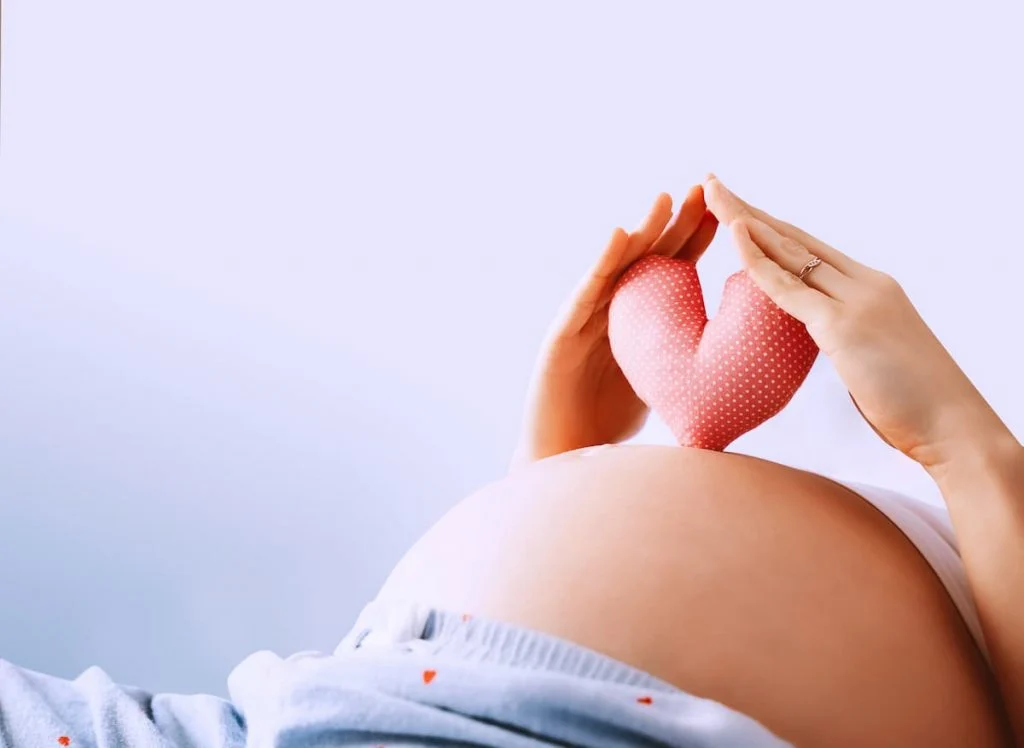
The Role of Traditional Chinese Medicine in Natural Conception
Herbal medicine is another essential component of TCM and is often used in conjunction with acupuncture. Chinese herbs are chosen based on an individual’s specific imbalances and are aimed at improving overall health and promoting fertility. These herbs are potent and must be prescribed by a qualified TCM practitioner to avoid any potential side effects.
Dietary therapy is also an essential aspect of TCM for fertility. In TCM, food is seen as medicine, and specific foods are recommended to enhance fertility. For example, foods rich in antioxidants, such as berries and leafy greens, can help improve egg and sperm quality. On the other hand, foods that are cold in nature, such as ice cream and cold drinks, are believed to hinder fertility and should be avoided.
Mind-body exercises like Tai Chi and Qigong are also beneficial for couples trying to conceive. These practices help reduce stress and promote relaxation, which can have a positive impact on fertility. Additionally, they improve the flow of Qi, which is essential for overall health and fertility.
TCM and Assisted Reproductive Technologies (ART)
Many couples turn to assisted reproductive technologies, such as in vitro fertilization (IVF), when trying to conceive. TCM can play a crucial role in supporting these treatments and improving their success rates. Acupuncture, for example, has been shown to increase blood flow to the uterus and improve the chances of embryo implantation. It can also help reduce the side effects of fertility treatments, such as bloating and mood swings.
TCM can also help prepare the body for IVF. Ideally, couples should start acupuncture and herbal treatments at least three months before undergoing IVF to improve their chances of success.
Summary:
Traditional Chinese Medicine (TCM) is a holistic approach to health and healing that has been used for centuries in China. It focuses on restoring balance and harmony to the body to promote overall health and wellbeing. TCM has been shown to be effective in treating infertility through practices such as acupuncture, herbal medicine, dietary therapy, and mind-body exercises like Tai Chi and Qigong. These practices can help regulate hormones, improve blood flow to the reproductive organs, and reduce stress and anxiety, all of which can impact fertility. TCM can also support and enhance the success rates of assisted reproductive technologies, such as IVF. Couples interested in TCM for natural conception should consult a qualified TCM practitioner for personalized treatment.