Summary:
Fertility is a complex and often emotional journey for many individuals and couples. While there are many factors that can impact fertility, one often overlooked aspect is self-care. Taking care of your physical, mental, and emotional well-being can greatly improve your chances of conception. In this blog post, we will explore the link between self-care and fertility and provide tips on how to prioritize your well-being for conception.
The Importance of Self-Care for Fertility
Self-care is the practice of intentionally taking care of your physical, mental, and emotional health. It involves activities and habits that promote well-being and reduce stress. When it comes to fertility, self-care is crucial for several reasons.
Firstly, fertility can be a stressful and emotionally taxing journey. The pressure to conceive, the disappointment of failed attempts, and the uncertainty of the process can take a toll on one’s mental and emotional health. This can lead to increased levels of stress, anxiety, and depression, which can negatively impact fertility.
Moreover, self-care is essential for promoting hormonal balance and improving reproductive health. Stress and unhealthy habits such as smoking, excessive alcohol consumption, and poor diet can disrupt the delicate hormonal balance needed for conception. By prioritizing self-care, individuals can improve their overall health and create a more conducive environment for fertility.
Prioritizing Physical Health for Conception
One of the key aspects of self-care for fertility is taking care of your physical health. This includes maintaining a healthy weight, exercising regularly, and eating a well-balanced diet. Being overweight or underweight can affect fertility by disrupting hormone levels and ovulation.
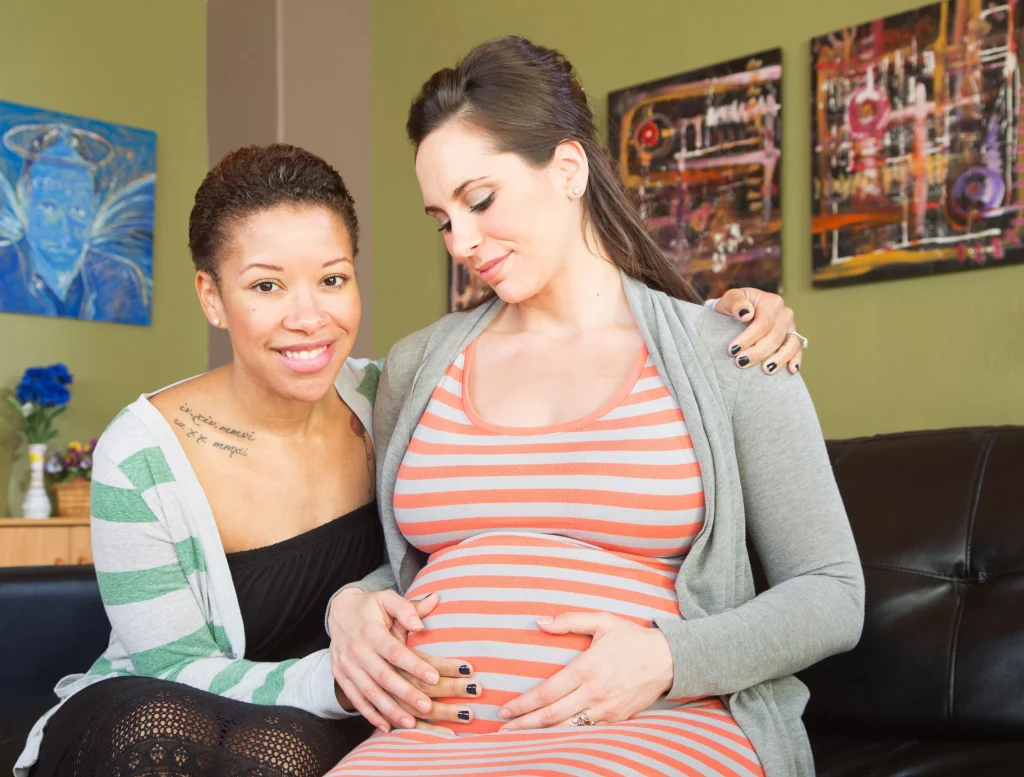
The Link Between Self-Care and Fertility: How to Prioritize Your Well-Being for Conception
Regular exercise is also beneficial for fertility as it can help with weight management, reduce stress, and improve overall health. However, it’s important to avoid excessive exercise, as it can also negatively impact fertility. It’s best to consult with a doctor or fertility specialist to determine the right level of physical activity for your specific situation.
In addition, a healthy diet is crucial for fertility. Consuming a variety of nutrient-dense foods, including fruits, vegetables, whole grains, and lean proteins, can support hormonal balance and reproductive health. It’s also important to limit or avoid processed foods, trans fats, and added sugars, which can negatively impact fertility.
The Impact of Mental and Emotional Health on Fertility
Mental and emotional well-being also play a significant role in fertility. As mentioned earlier, the stress and pressure of trying to conceive can take a toll on one’s mental health. This can lead to increased levels of cortisol, a stress hormone that can disrupt ovulation and decrease fertility.
To manage stress and support mental and emotional well-being, incorporating self-care activities such as meditation, yoga, or journaling can be helpful. These activities can promote relaxation, reduce stress, and improve overall mood. Seeking support from a therapist or joining a support group can also be beneficial for managing the emotional challenges of fertility.
Self-Care for Couples on the Fertility Journey
Fertility is not just a journey for individuals, but also for couples. It’s essential to support each other and prioritize self-care as a team. This can include making time for regular date nights, communicating openly and effectively, and finding activities that you both enjoy to reduce stress and strengthen your relationship.
It’s also important for couples to acknowledge and address any potential issues that may be affecting fertility. This can include seeking help from a fertility specialist, undergoing fertility tests, and exploring options such as fertility treatments or adoption. By working together and prioritizing self-care, couples can navigate the challenges of fertility together.
In conclusion, self-care is a crucial aspect of fertility that is often overlooked. By prioritizing physical, mental, and emotional well-being, individuals and couples can create a more conducive environment for conception. Remember to listen to your body, seek support when needed, and make self-care a priority during this journey towards parenthood.