Blog Post: The Role of Iron in Women’s Fertility and Home Conception
Iron is an essential mineral that plays a crucial role in many bodily functions, including fertility and conception. While many people are aware of the importance of iron for overall health, its specific impact on women’s reproductive health is often overlooked. In this blog post, we will delve into the role of iron in women’s fertility and its significance in home conception.
Understanding Iron and Its Functions in the Body
Iron is a mineral that is required for the production of hemoglobin, a protein responsible for carrying oxygen to all parts of the body. It is also an essential component of myoglobin, a protein found in muscle cells that helps store oxygen for energy production. Iron is also involved in the formation of red blood cells, which are responsible for transporting nutrients and oxygen to the body’s tissues.
Iron and Women’s Fertility
Iron plays a vital role in women’s reproductive health, particularly in regards to fertility. Adequate levels of iron in the body are essential for the production of healthy eggs and regular menstrual cycles. Iron deficiency can lead to irregular periods, which can make it challenging to conceive. It can also impact the quality of eggs produced, making it difficult to achieve a successful pregnancy.
Iron Deficiency and Infertility
Studies have shown that iron deficiency can have a significant impact on a woman’s ability to conceive. In fact, women with iron deficiency anemia are twice as likely to experience infertility compared to those with adequate iron levels. This is because iron deficiency can disrupt hormone levels, affecting ovulation and the development of the uterine lining, making it difficult for a fertilized egg to implant.
Iron and Pregnancy
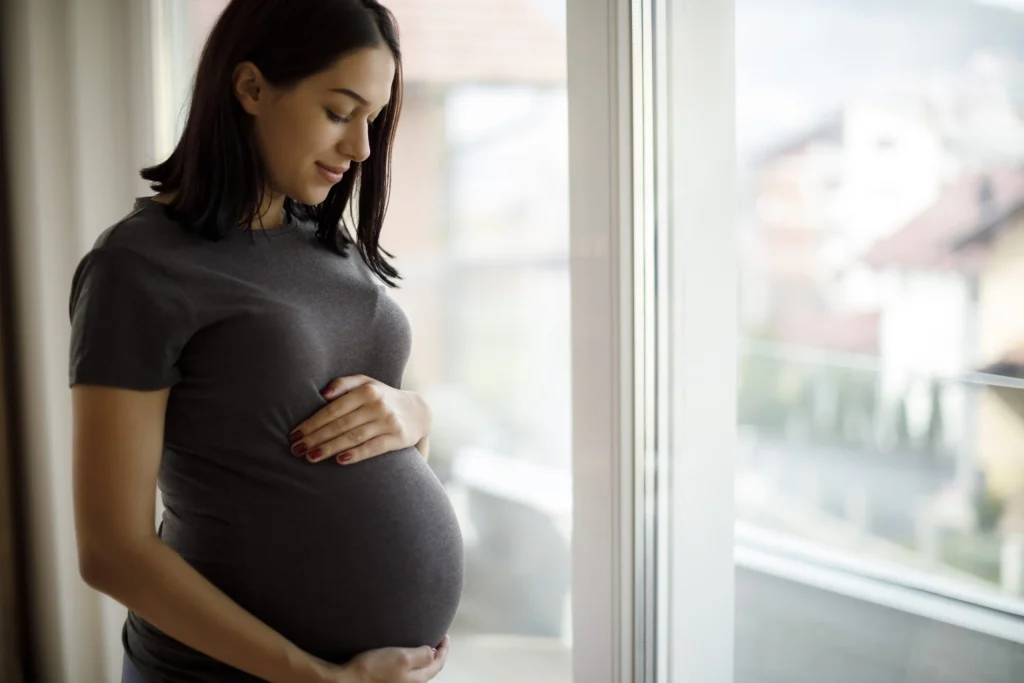
The Role of Iron in Women's Fertility and Home Conception
Iron is also crucial during pregnancy, as the body’s demand for iron increases significantly to support the growth and development of the baby. Iron deficiency during pregnancy can lead to complications such as preterm birth, low birth weight, and maternal anemia. Therefore, it is essential for women to ensure they have adequate iron levels before and during pregnancy.
The Link Between Iron and Home Conception
For couples trying to conceive at home, ensuring adequate iron levels is crucial. As mentioned earlier, iron deficiency can lead to irregular periods, making it difficult to track ovulation and time intercourse correctly. Additionally, iron deficiency can also affect sperm production in men, making it challenging to achieve pregnancy.
Ways to Boost Iron Levels for Fertility and Home Conception
The good news is that iron deficiency is easily preventable and treatable. Including iron-rich foods such as lean red meat, poultry, fish, leafy greens, and fortified cereals in your diet is one way to boost iron levels. Additionally, taking iron supplements can also help to increase iron levels. However, it is essential to consult with a healthcare professional before starting any supplements.
It is also crucial to note that the body absorbs iron better when consumed with vitamin C-rich foods such as citrus fruits, tomatoes, and peppers. On the other hand, certain foods and drinks can hinder iron absorption, such as caffeine, dairy products, and foods high in calcium and fiber. Therefore, it is best to limit the consumption of these foods when trying to boost iron levels.
Conclusion
In conclusion, iron plays a vital role in women’s fertility and home conception. Adequate iron levels are essential for regular menstrual cycles, healthy eggs, and a successful pregnancy. Iron deficiency can lead to infertility and pregnancy complications, making it crucial to ensure adequate iron intake. By including iron-rich foods in your diet and consulting with a healthcare professional, you can boost your iron levels and increase your chances of conceiving at home.
Summary:
Iron is an essential mineral that plays a crucial role in women’s fertility and home conception. It is needed for the production of healthy eggs and regular menstrual cycles. Iron deficiency can lead to infertility and pregnancy complications, making it crucial to maintain adequate iron levels. Including iron-rich foods in the diet, taking supplements, and avoiding certain foods that hinder iron absorption can help boost iron levels. Consultation with a healthcare professional is recommended before starting any supplements.