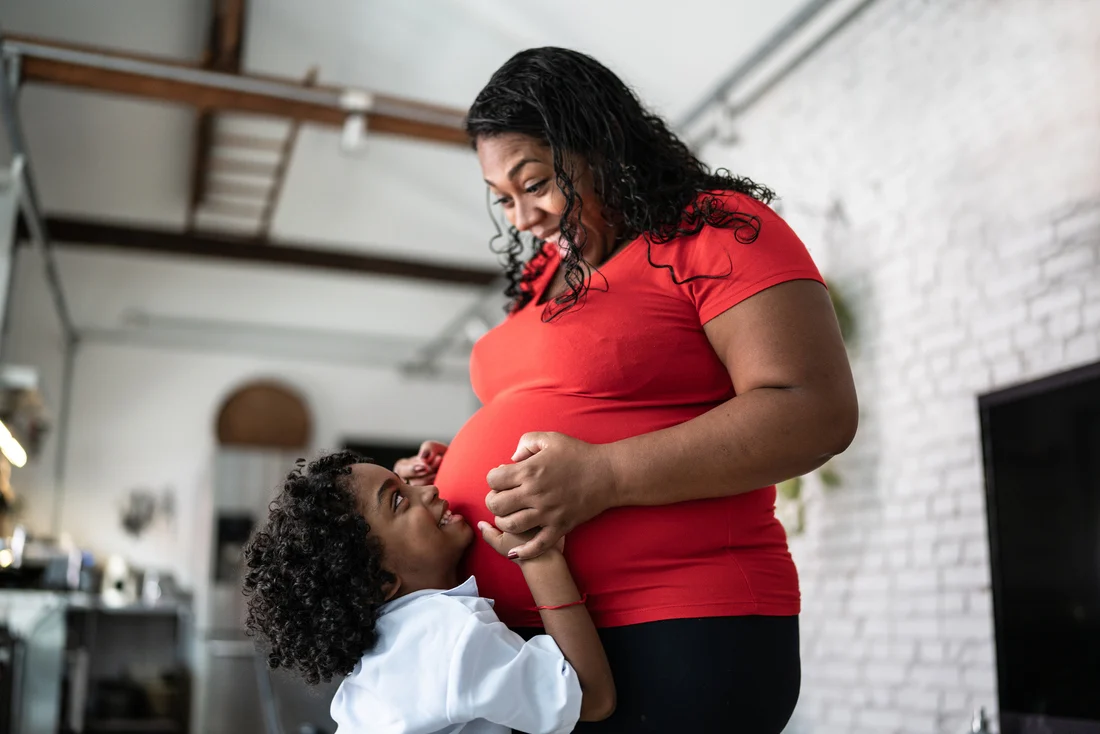
As a mother, there are a few questions I dread: When’s your due date? Well, that bump is actually a remnant from my little one who’s now in preschool. Are you going back to work? I’m honestly not sure! And the one that really stings: Are you planning to have another child? Unless you have a box of tissues and a spare twenty minutes, let’s not dive into that.
When my daughter entered the world, my spontaneous thought was, “I want to experience that again!” The sheer joy of motherhood was exhilarating, and I found myself instantly craving another baby.
Unfortunately, I was already 40 when we decided to expand our family, and when we began trying for baby number two, it didn’t happen right away. Panic set in (because anxiety and conception are not the best pair) and I quickly consulted a fertility specialist. The journey included tests, medications, injections, one unsuccessful insemination, three failed IVF attempts, and multiple early miscarriages. I experimented with vitamins, supplements, herbs, and acupuncture. I even changed my diet, lost weight, and refrained from caffeine and alcohol for a year, only to discover that without my coffee, I was rather unpleasant to be around.
We’re still trying—naturally—and it’s a struggle. This experience is known as secondary infertility. After having one child, you might think, “My body’s a pro at this; I could have a whole soccer team!” But while you’re contemplating whether to have one more or a multitude, your body may be dealing with its own challenges. In my case, it’s the quality of my eggs that’s on the decline, but I know younger moms facing similar battles. It’s incredibly frustrating and painful to not be able to create the family you’ve envisioned.
As a parent, you want to provide your child with everything, including a sibling. While my daughter might not view that as the same kind of gift as a new toy, I see the bigger picture. Growing up with a younger brother, despite our bickering, has forged a bond that I cherish. I want my daughter to have that lifelong companion—the one who understands what it’s like to grow up in our home, the one who will be there long after I’m gone.
This has become somewhat of an obsession for me. Conversations with my partner about our fertility struggles often end with me tearfully expressing, “I don’t want her to be alone!” He reassures me that she won’t be alone; she will have friends and love from many. But as a mom, I want that safety net.
I know it sounds a bit out there, but I also yearn for the experience of raising siblings. I can only imagine the challenges—schedules, sharing, and all the “that’s not fair” moments. I want to be the mom who gets to say, “I will turn this car around!” I want to see how different or similar my kids might be. I want the chaos and the messiness of it all. So, ovaries, are you listening?
One of the unique challenges of secondary infertility is that it often feels like everyone around you is expecting. I’m not exaggerating; in my preschool circle, most moms are either pregnant or recently welcomed a new baby. Discussions revolve around sibling age gaps and whether to go for a third child. These seemingly innocent inquiries can feel like humble brags. I try to navigate these conversations with grace, reminding myself that it’s possible to be genuinely happy for others while also feeling a pang of jealousy. At least there are plenty of adorable babies around to hold.
Then there’s the issue of baby gear. Every time my child outgrows something, I find myself at a crossroads. Should I save toys, clothes, and books for a potential sibling who may never arrive? What should I do with the nursing bras and breast pump just gathering dust in my closet? It’s overwhelming. I ended up passing most of the clothes to our new niece and the bulky swings to a neighbor, but I can’t bring myself to part with the crib. That will probably be in our garage until I hit menopause.
Emotional triggers are everywhere, and I’m nothing if not emotional. It’s not always easy to find comfort; some friends avoid the topic as if infertility were contagious. When I do share our struggles, the typical response is, “At least you have one child,” which only intensifies my guilt. I understand that many couples would give anything for just one child, and I have friends who long to be mothers but missed their chance. In their company, I sometimes feel like a glutton wishing for more.
I know that in time, I will learn to accept our situation if I must. It helps that the one child I have is absolutely amazing. Yes, she has her moments of tantrums and an insatiable curiosity, but she is the funniest, most delightful person I could have ever hoped for. I am lucky and grateful.
Yet, when I see her playing with her stuffed animals, pretending to be a big sister, it’s impossible not to yearn for a real baby. I want to live that miracle again, this time feeling more confident and less fearful, with my daughter by my side.
For further insights on infertility, you can check out this excellent resource from the CDC. Additionally, if you’re looking to boost your fertility, consider exploring supplements from trusted sources.
In summary, secondary infertility can be a deeply emotional journey filled with ups and downs. It’s a struggle that many parents face, often in silence, while trying to navigate their hopes and dreams for their families.